
Chinese CHI 2024 Successfully Concludes

The 12th International Chinese human–computer interaction Conference, jointly organized by International Chinese Association of Computer Human Interaction (ICACHI) and Southern University of Science and Technology, was held successfully at Southern University of Science and Technology in Shenzhen from November 22 to 25, 2024. Under the theme Innovation, Creativity, and Integration, it brought together over 500 experts and scholars worldwide to explore frontier developments in human–computer interaction.
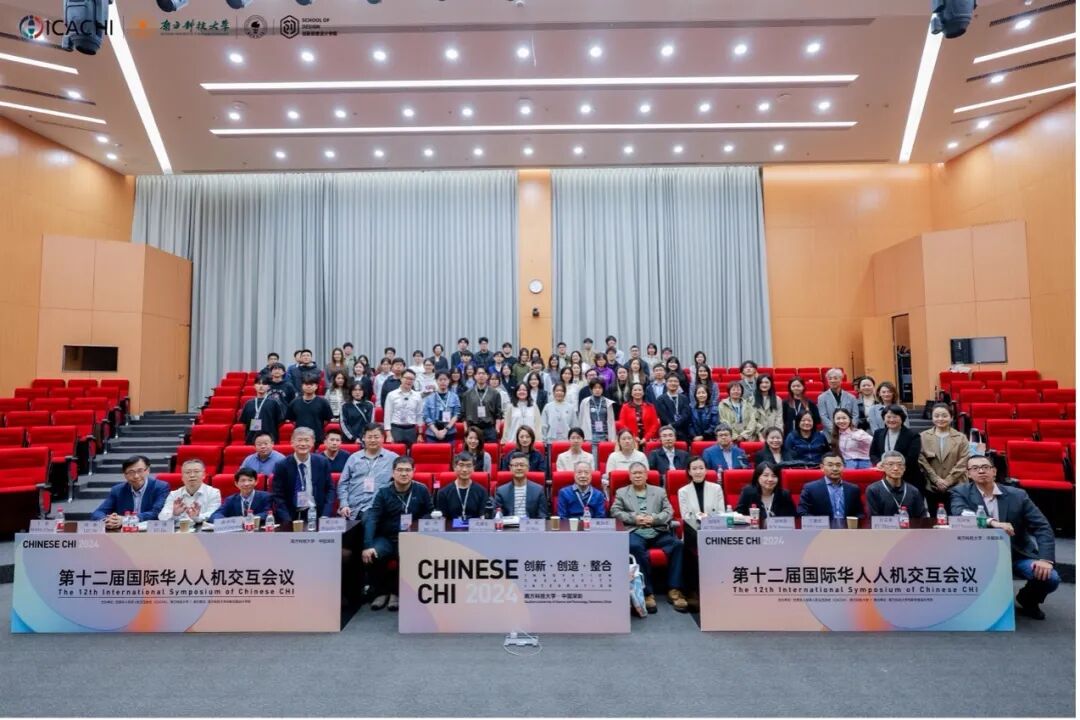
Conference Group Photo
Conference Opening
The formal opening took place on November 23. Remarks were delivered by ICACHI President Associate Professor Zhiyong Fu, deputy head of Information Art and Design at Tsinghua University's Academy of Arts and Design; Southern University of Science and Technology Vice President and Chair Professor Jin Li; and Chair Professor Thomas Kvan, dean of Southern University of Science and Technology's School of Design. Associate Professor Yun Wang of Beihang University's School of New Media Art and Design introduced the conference on behalf of the organizing committee.
Since its establishment, SUSTech's School of Design has pioneered interdisciplinary integration, using academic and industry collaboration to stimulate technologies and business models for an innovative, prosperous, and socially responsible future. Founded in May 2012 as the first international professional scientific association initiated by Chinese scholars worldwide, ICACHI has used its resources and global expert network to create an open platform for human–computer interaction scholars in China and abroad.
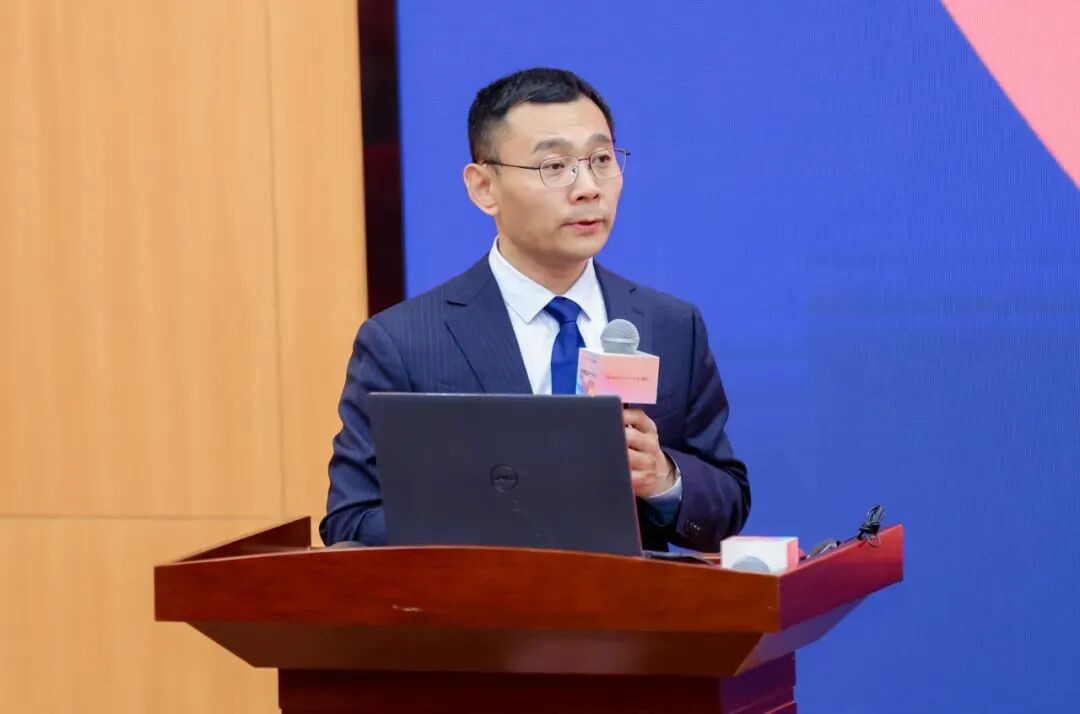
Remarks by ICACHI President Associate Professor Zhiyong Fu
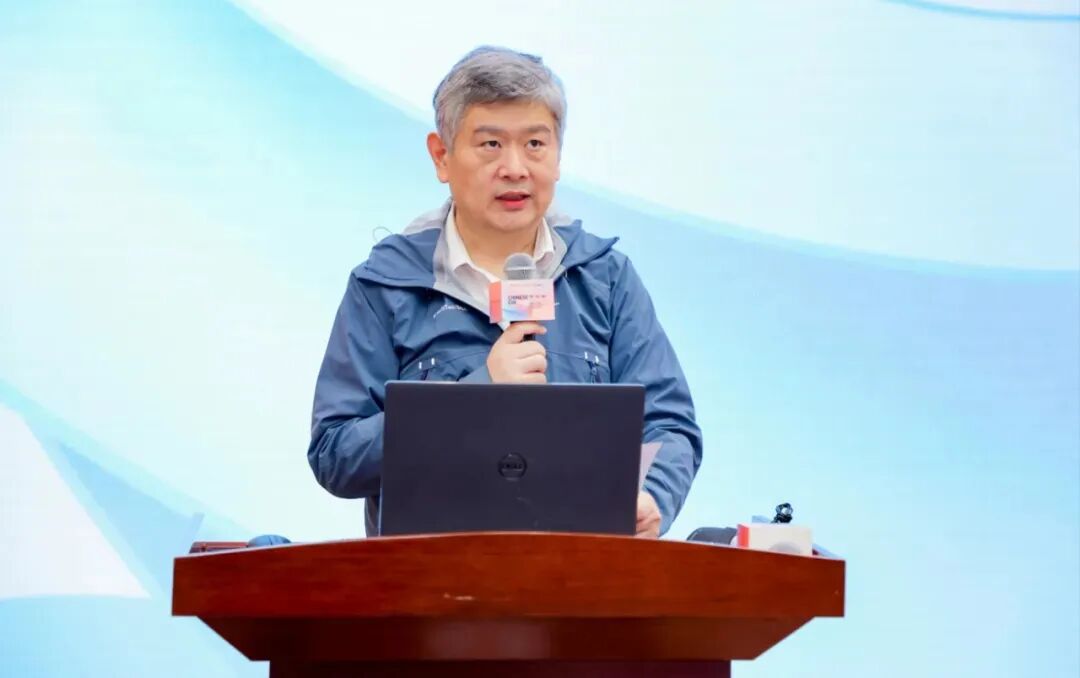
Remarks by SUSTech Vice President and Chair Professor Jin Li

Remarks by SUSTech Chair Professor Thomas Kvan

Beihang Associate Professor Yun Wang Introduces the Conference
Thematic Forums and Concurrent Workshops
On November 22, two thematic events ran concurrently: the International Workshop on Human-Engaged Computing and launch of Human-Engaged Computing, and the Forum on New Quality Productive Forces for Intelligent Development.
The New Quality Productive Forces Forum explored future healthcare, intelligent manufacturing and robotics, autonomous driving and the low-altitude economy, and research commercialization and global expansion, discussing how innovation, efficiency improvements, and research-to-industry transformation can energize business development.
Published during the conference, Human-Engaged Computing proposes a new human-engaged computing paradigm. It describes and promotes synergistic interaction between engaged humans and engaging computers, aiming for higher intelligence that improves humanity's prospects for survival and releases its full potential. Co-author and Kochi University of Technology tenured professor Xiangshi Ren emphasized that the paradigm redefines human–computer relationships and enhances human–computer interaction by deepening researchers' and designers' understanding of people. Beyond guiding AI and other technologies, the concept calls on scientists to consider technology's dual effects, respect diverse human ways of being in human–computer interaction and digital environments, and reduce technological authoritarianism.
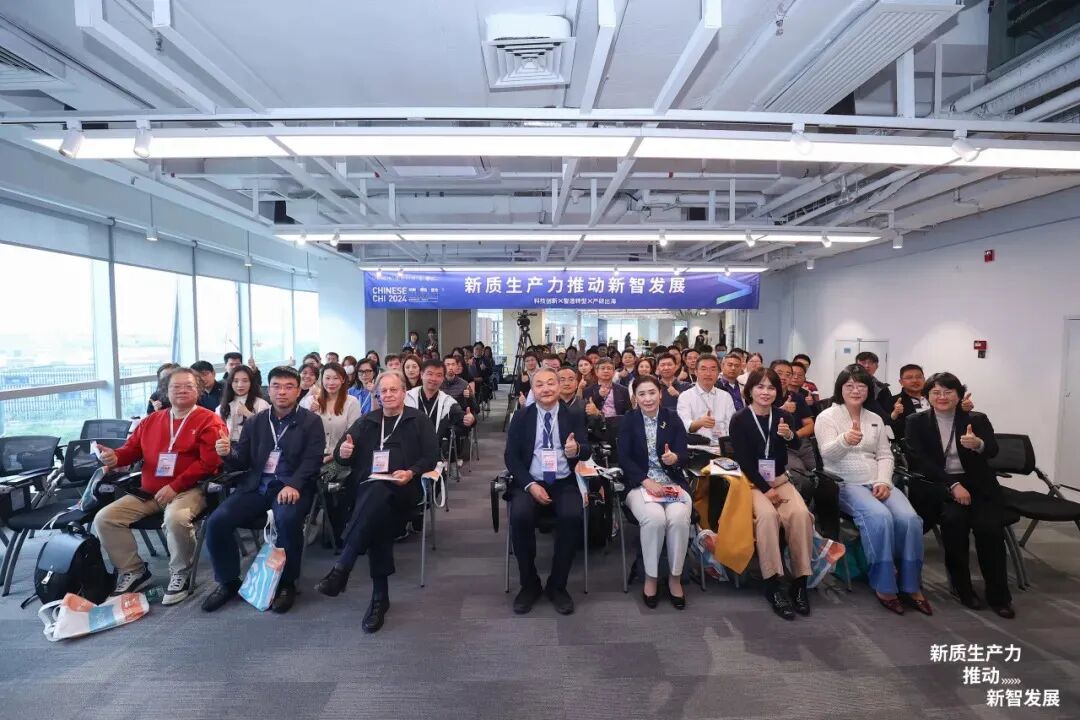
New Quality Productive Forces Forum Group Photo
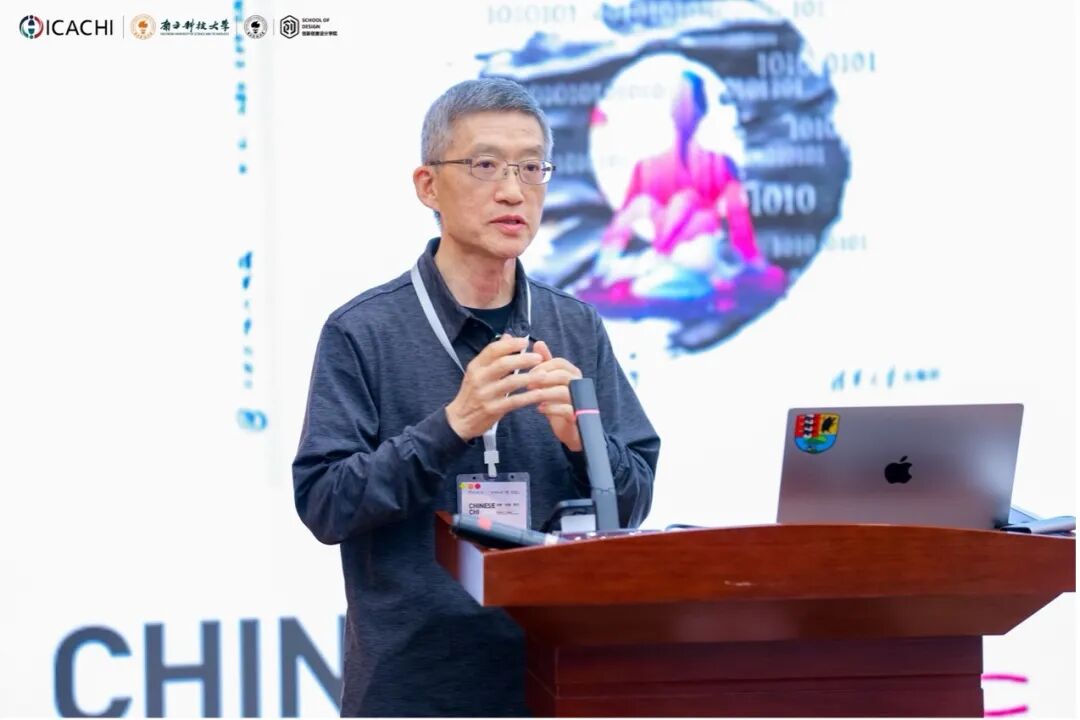
Professor Xiangshi Ren of Kochi University of Technology Introduces Human-Engaged Computing
Six innovative thematic workshops also took place that day, covering cross-platform interaction, Bio-HCI, and intergenerational awareness of aging. Reflecting growing academic–industry cooperation, the conference also hosted a Greater Bay Area symposium on changing perspectives in education, research, and industry for next-generation interaction technologies.
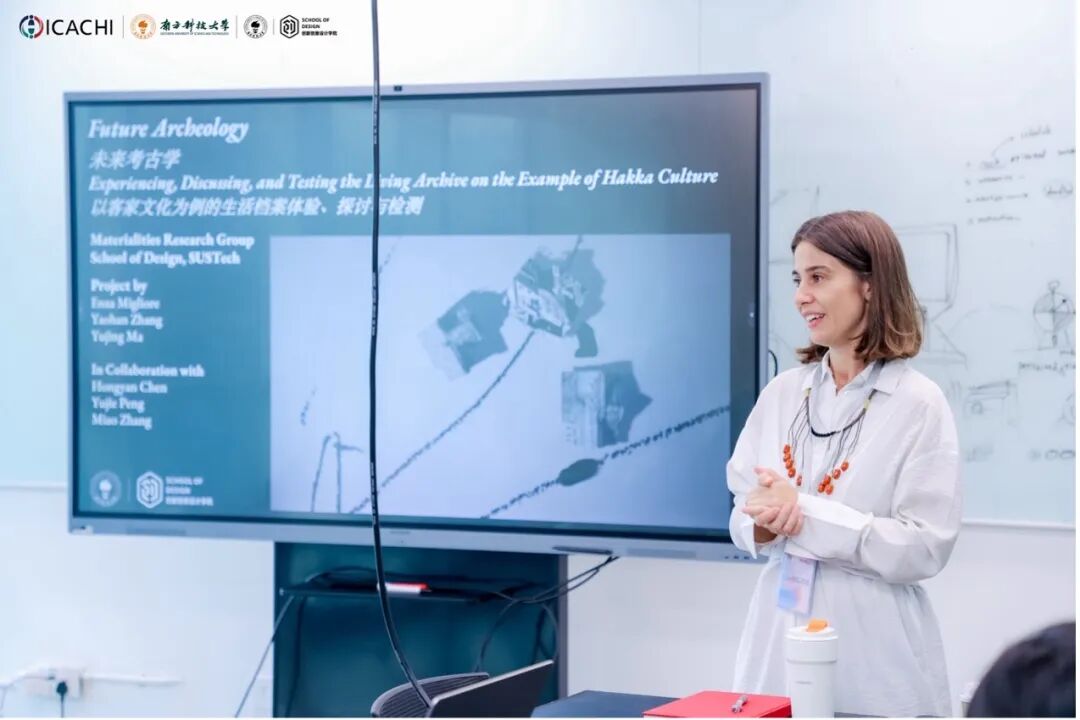
One of the Concurrent Workshops
Conference Content
Keynotes covered inclusive data experiences, social computing design, music and art visualization, human–AI interaction design, ubiquitous interaction, and science fiction industries and imagination in the AI era. Speakers were Bongshin Lee of Yonsei University, Jun Hu of Eindhoven University of Technology, Takayuki Itoh of Ochanomizu University, Anthony Tang of Singapore Management University, Robert Xiao of the University of British Columbia, and Yan Wu of Southern University of Science and Technology.
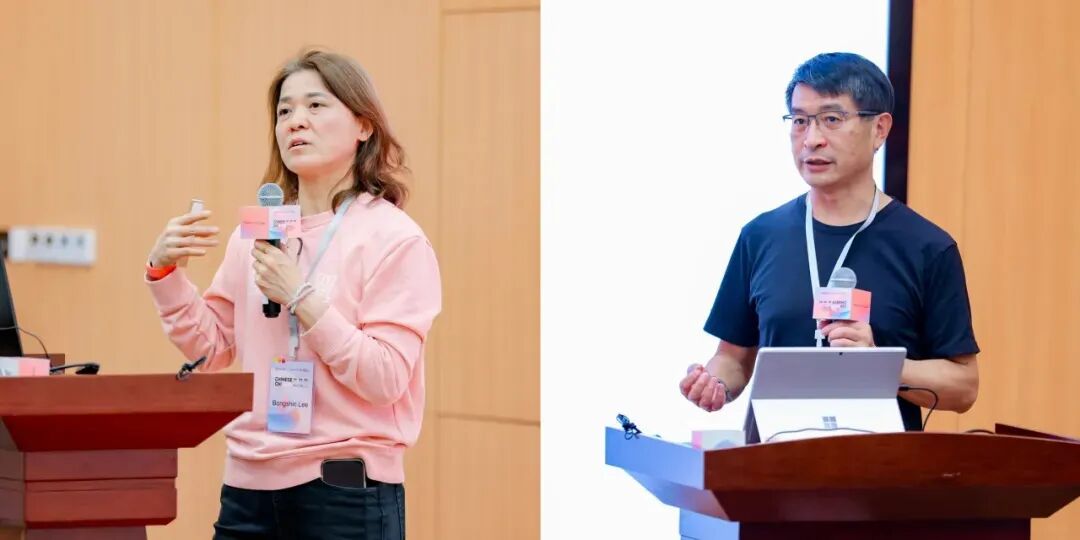
Keynotes by Professor Bongshin Lee (Left) and Associate Professor Jun Hu (Right)
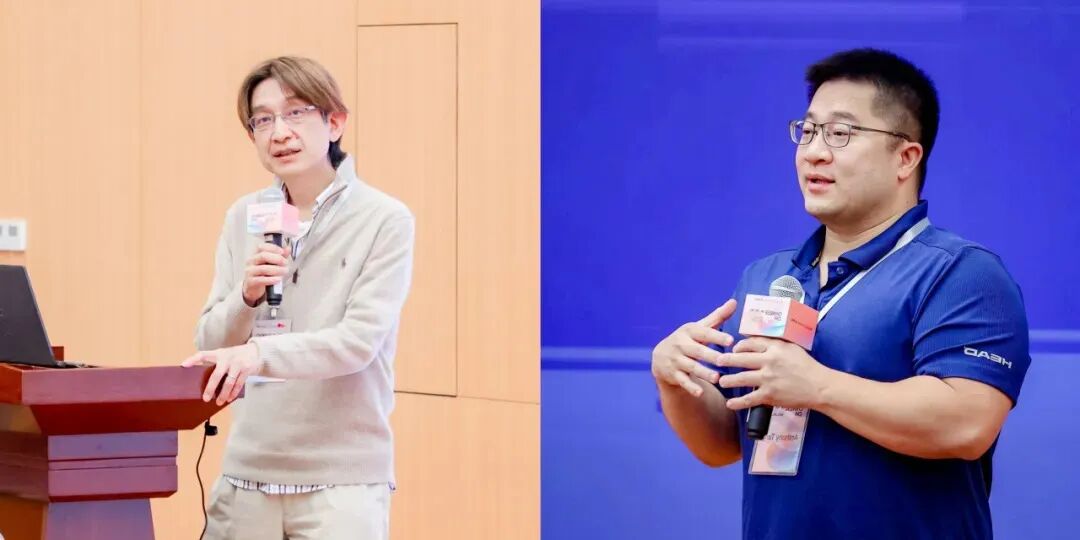
Keynotes by Professor Takayuki Itoh (Left) and Associate Professor Anthony Tang (Right)
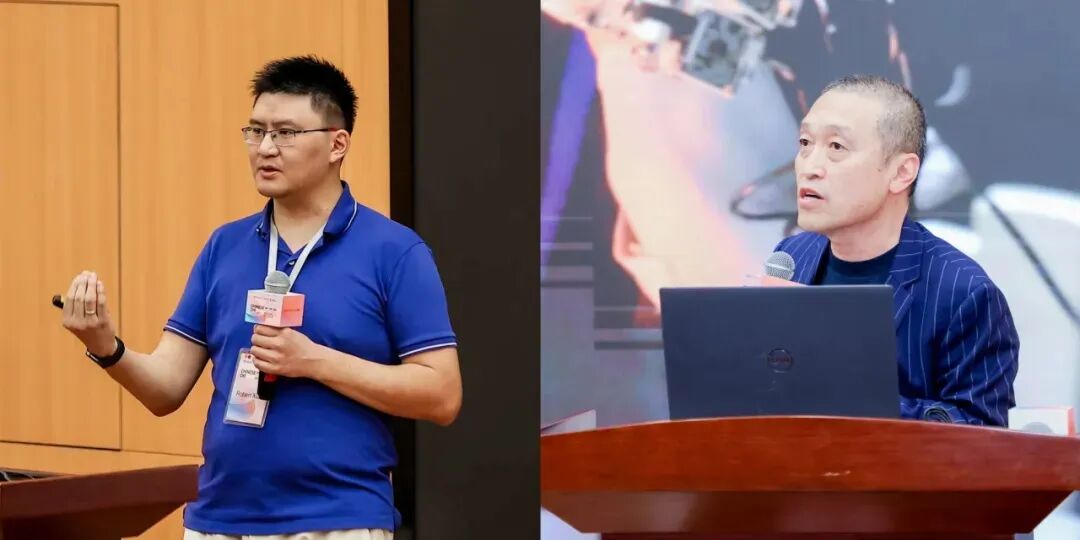
Keynotes by Assistant Professor Robert Xiao (Left) and Professor Yan Wu (Right)
Former ICACHI president and current adviser Dr. Wei Li, chief scientist at Huawei's human–computer interaction Laboratory, gave a compelling talk on innovating human–computer interaction experiences in consumer electronics. It showcased recent human–computer interaction advances and outlined future innovation directions, offering valuable guidance for improving user experiences and technological development.
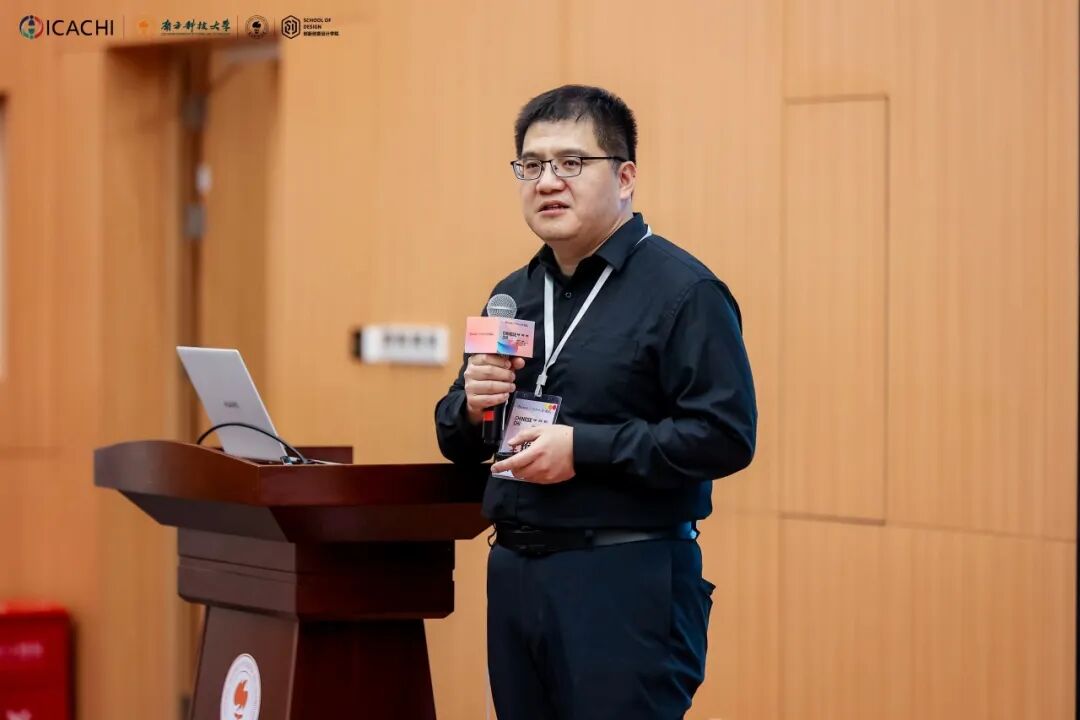
Talk by ICACHI Honorary President Dr. Wei Li
The conference received 145 full paper submissions and accepted 48 following rigorous peer review. Authors presented and discussed their work across six sessions: Design and Games; Ubiquitous and Tangible Interaction; User Experience and Human Factors; Generative AI, Large Language Models, and Algorithms; Accessibility and Aging; and Virtual Reality and 3D Interfaces.

One of the Thematic Paper Sessions
A highlight of the four-day program was the Chinese CHI 2024 Digital Art Exhibition. With the theme Innovation, Creativity, and Integration, it demonstrated an interdisciplinary perspective. Beyond exhibiting artworks, it encouraged creators to cross conventional boundaries, combine innovative thinking with technology, and explore unconventional human–computer interaction, enabling artists and designers to rethink relationships between art and technology.
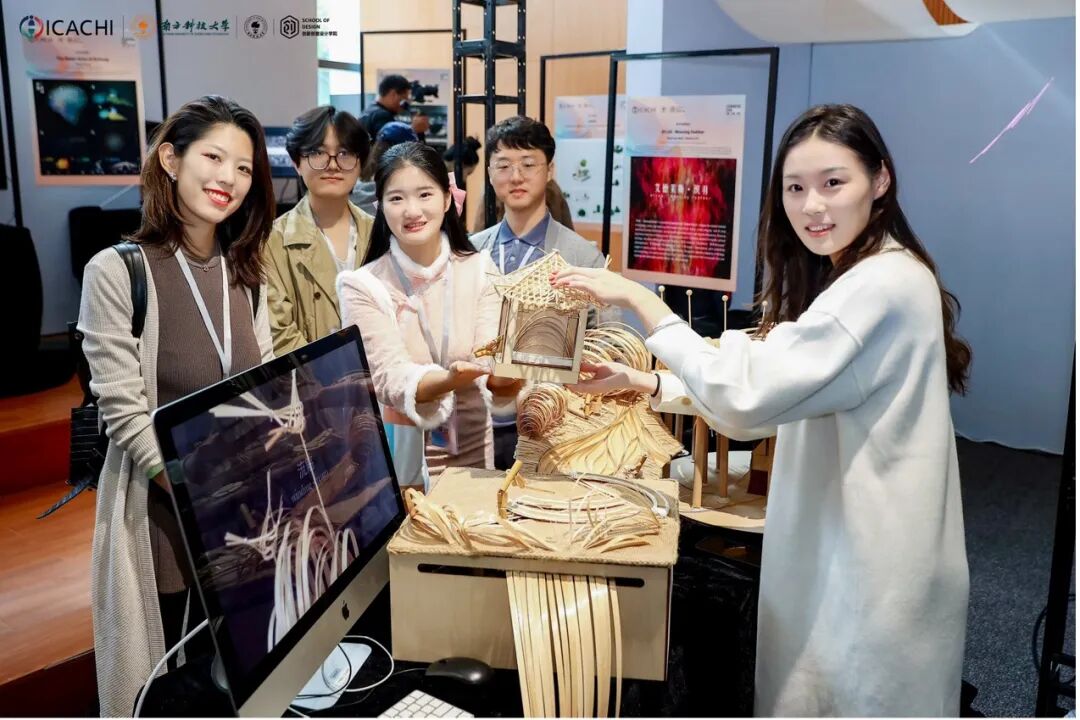
Digital Art Exhibition: On-Site Display
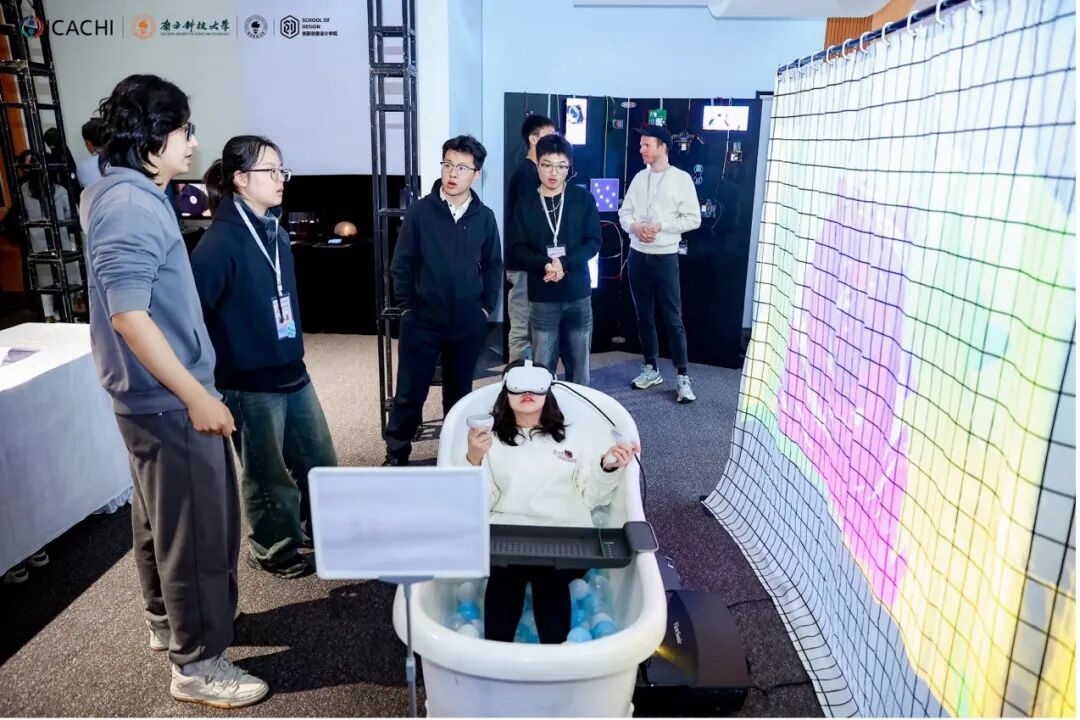
Digital Art Exhibition: On-Site Display
ICACHI Board of Directors
Chinese CHI has become an important meeting point connecting Chinese HCI researchers, academia, and industry worldwide. Since 2012, eleven successful editions have been held in Paris, Toronto, Seoul, Silicon Valley, Guangzhou, Montreal, Xiamen, and online. Conference papers are included in the ACM Digital Library and meet EI indexing requirements.
On the evening of November 23, ICACHI President Zhiyong Fu chaired the 2024 Board meeting. Members discussed strategic development, specialized conferences, and academic journal publishing. They emphasized internationalization and stronger cooperation with organizations in China, and examined the Industry Committee's development, the Young Scholars Committee's plans, and improvements to the association's constitution.
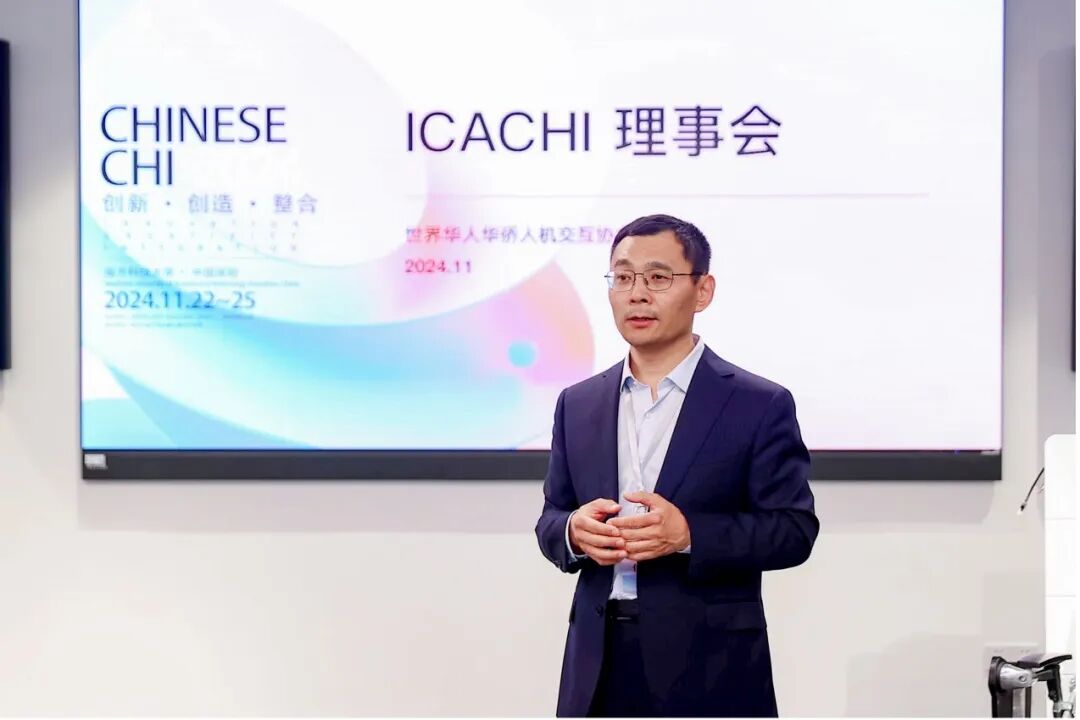
ICACHI President Associate Professor Zhiyong Fu Chairs the Board Meeting
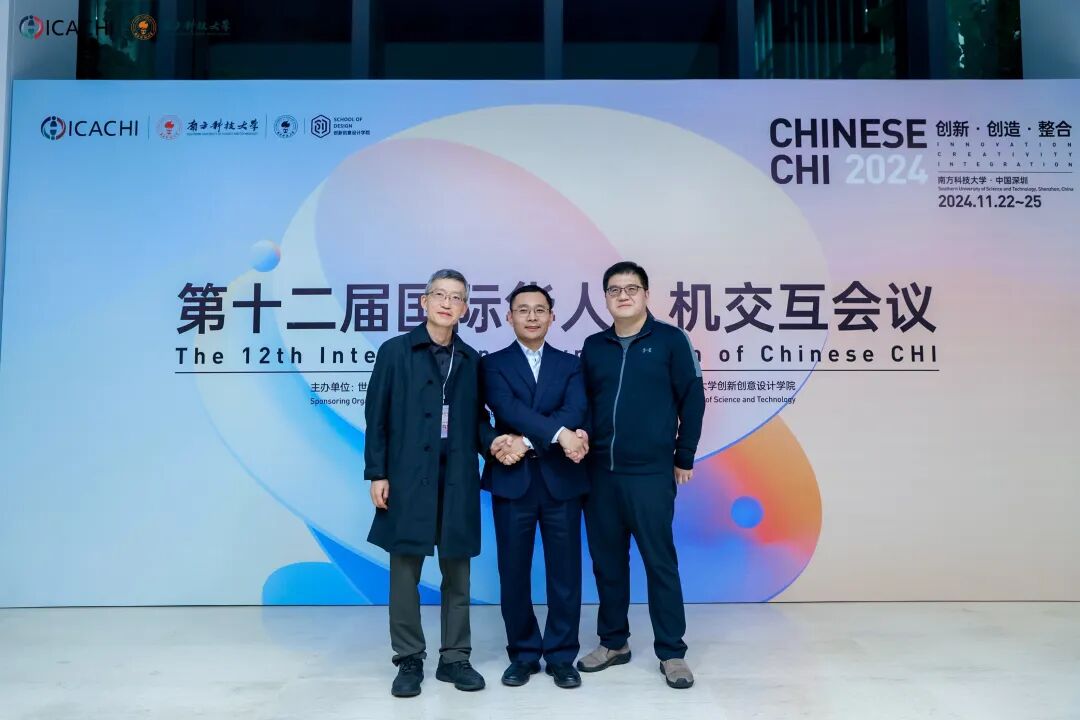
Former ICACHI Presidents and Current Advisers Professor Xiangshi Ren and Dr. Wei Li
Photo with Current ICACHI President Associate Professor Zhiyong Fu
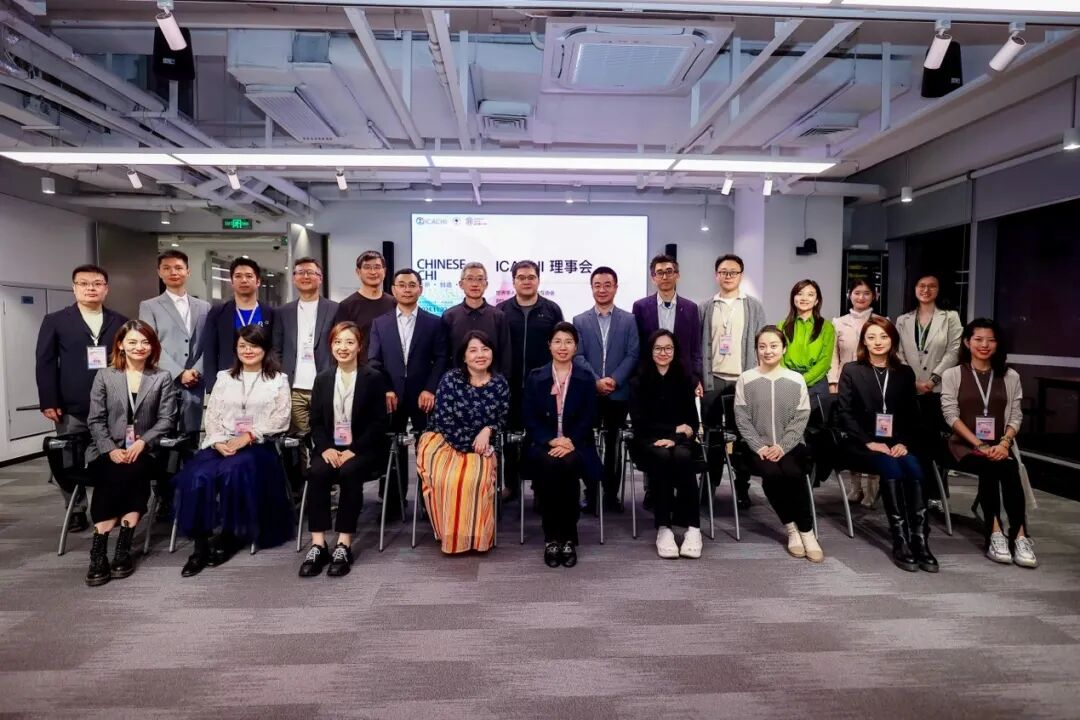
Board Members Attending the Meeting
Conference Closing
The conference closed with remarks by ICACHI Vice President Associate Professor Jian Zhao of the University of Waterloo's School of Computer Science and Chair Professor Xiaohua Sun of Southern University of Science and Technology's School of Design.
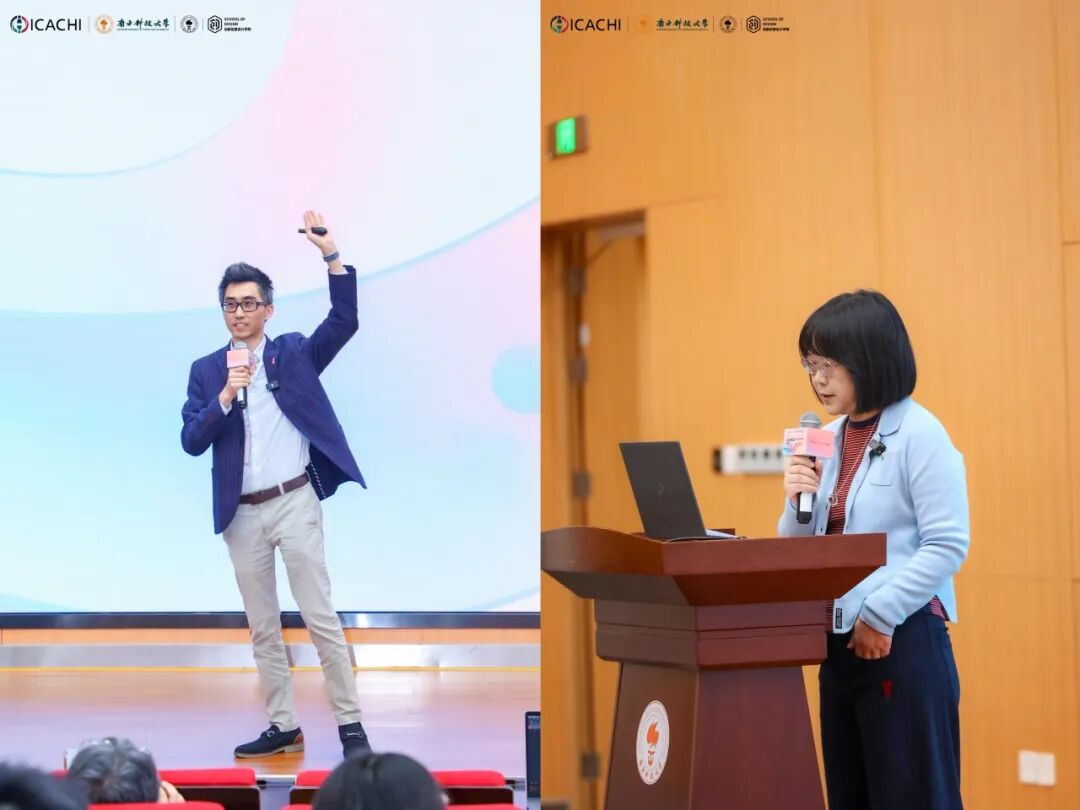
Remarks by Associate Professor Jian Zhao (Left) and Chair Professor Xiaohua Sun (Right)
The successful conference showcased Chinese scholars' latest human–computer interaction research and provided an important platform for international exchange and collaboration among industry, academia, and research. ICACHI will continue bridging communities and advancing human–computer interaction innovation toward a digital future. Southern University of Science and Technology's outstanding hosting also demonstrated its computing strengths and international influence.
Written by: Xin Tang
Layout: Yuxin Xu