
Chinese CHI 2024 Forum: New Quality Productive Forces for Intelligent Development
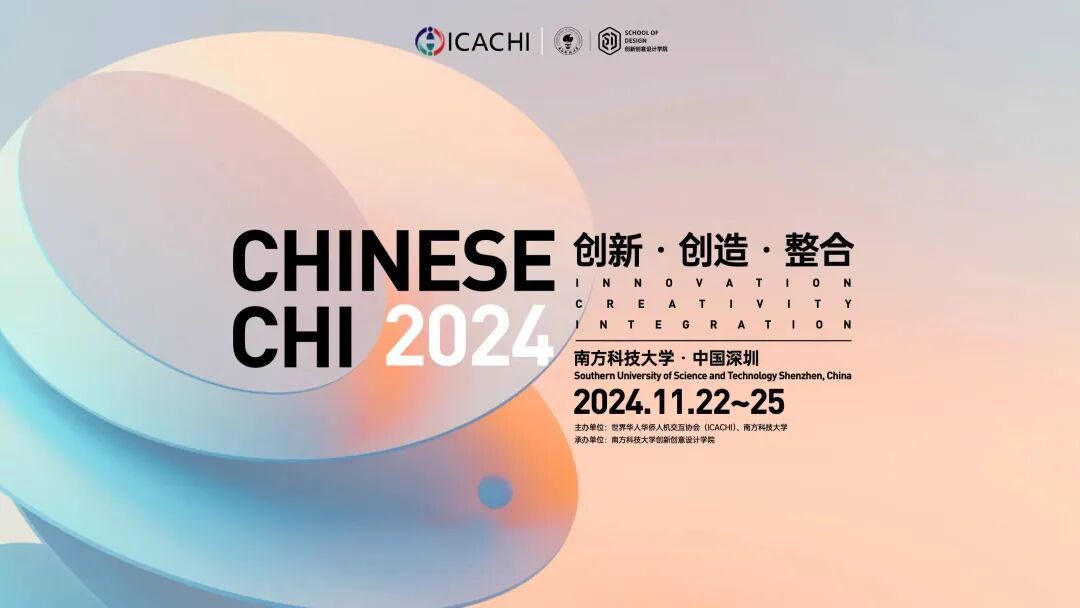

ChineseCHI is an international academic conference organized by International Chinese Association of Computer Human Interaction (ICACHI), connecting Chinese HCI researchers, academia, and industry worldwide to advance human–computer interaction. ChineseCHI 2024 will be hosted by Southern University of Science and Technology in Shenzhen from November 22 to 25. On November 22, we will hold a forum on new quality productive forces and industrial development. Through future healthcare, intelligent manufacturing and robotics, autonomous driving and the low-altitude economy, and research commercialization and global expansion, it will explore how technological innovation, cost reduction, efficiency gains, and research-to-industry transformation can generate new business growth. Industry leaders, experts, scholars, and successful companies will share frontier technologies, cases, and practical experience, examining innovation opportunities and trends. The forum will offer inspiration, approaches, and transferable methods to help businesses achieve breakthroughs and growth amid intense competition.

8:15–8:30 Registration
📍Venue: 11th-Floor Auditorium, Building C1, Nanshan Zhiyuan, Shenzhen
8:30–8:40 Opening Remarks
Thomas Kvan Tom Kvan
Founding Dean and Chair Professor, School of Design, Southern University of Science and Technology
Ruijun Tian
Tenured Professor, Department of Chemistry, School of Science, Southern University of Science and Technology; Director, Technology Transfer Center, Southern University of Science and Technology; Associate Dean, Guangming Institute of Advanced Research, Southern University of Science and Technology
Future Healthcare
8:40–9:10 Future Medicine: Digital Intelligence and Homeostatic Medicine
Songlin Wang
Academician of Chinese Academy of Sciences; Dean, School of Medicine, Southern University of Science and Technology
9:10–9:30 Generative AI Opens a New Era of Integrated Healthcare
Peng Wang
Deputy Director, Intel Labs China; Director, Digital Health Laboratory
9:30–9:50 Light and Human Health
Luoxi Hao
Professor, College of Architecture and Urban Planning, Tongji University
9:50–9:55 Launch of the Comprehensive Health Research Consortium
Intelligent Manufacturing and Robotics
9:55–10:15 Artificial General Intelligence Empowers General-Purpose Robots
Weixin Yan
Co-Founder, AgiBot; Professor, Shanghai Jiao Tong University
10:15–10:35 Digitalizing MPS Production-Line Management
Menghua Song
Planning, Training, and Implementation Team Leader, Beijing Benz
10:35–10:55 Intelligent Mobile Robots Across Industries
Langxi Lin
CEO, BOGE Group
10:55–11:00 Launch of Industry–Research Cooperation in Robotics and Intelligent Manufacturing
Autonomous Driving and the Low-Altitude Economy
11:00–11:20 Great Wall Motor COFFEE OS3 Smart Space
Baoyong Zhang
Smart Space Product Director, Great Wall Motor
11:20–11:40 Intelligent Cockpit and Driving HMI Research and Evaluation
Xiaohua Sun
Chair Professor, School of Design, and Deputy Director, Robotics Institute, Southern University of Science and Technology
11:40–12:00 Exploring Short Training for Simplified Low-Altitude Aircraft Operation
Dengbo He
Project Lead, Low-Altitude Economy Research Institute, The Hong Kong University of Science and Technology (Guangzhou); Assistant Professor and Doctoral Supervisor in Intelligent Transportation and Robotics and Autonomous Systems, Systems Hub
12:00–12:05 Preview of the Group Standard for ICV HMI Design and Evaluation
12:05–13:30 Lunch Break
Research Commercialization and Global Expansion
📍Venue: Room 1014, Building C1, Nanshan Zhiyuan, Shenzhen
13:30–13:50 University Incubation and Technology Transfer: HKUST Cases and Experience
Lingyun Gao
Executive Director, HKUST Shenzhen Blue Bay Incubator and HKUST Shenzhen–Hong Kong Collaborative Innovation Research Institute
13:50–14:10 Cross-Border Wealth Management and Global Financial Expansion
Jingyuan Liu
Chief Investment Adviser, China Galaxy Securities; Business President, Institutional Business Center, Shanghai Branch
Closed-Door Discussion
14:30–17:00 Parallel Collaborative Discussions Across Multiple Topics
Speaker Profiles
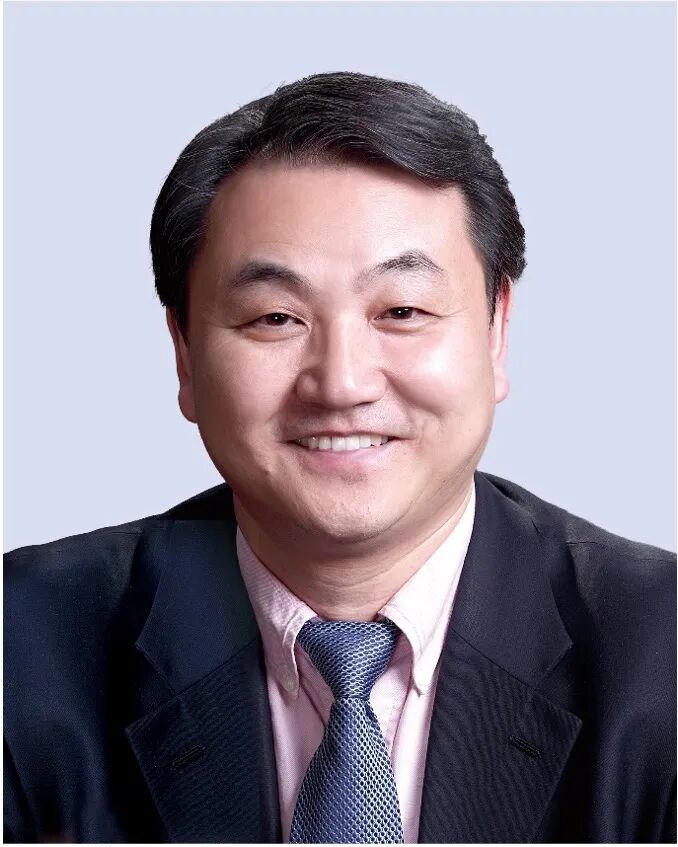
Songlin Wang
An academician of Chinese Academy of Sciences, dean and chair professor of Southern University of Science and Technology's School of Medicine, member of the Chinese Academy of Medical Sciences, professor, chief physician, and recipient of the CPPCC National Committee's Outstanding Performance Award. He completed undergraduate, master's, and doctoral studies at Peking University's Health Science Center, receiving his dental doctorate in 1989. He is vice president of Capital Medical University, vice president of the Chinese Stomatological Association and Beijing Medical Association, and director of the Beijing Laboratory of Oral Health. He edits Current Medicine, Medical Education Management, and Stomatology Today, and is associate editor of Oral Diseases and JOR. He has published 249 papers, including 167 English papers as lead author. As principal contributor, he received National Science and Technology Progress second prizes in 2003 and 2010. His honors include the William J. Gies Award, Wu Jieping Medical Innovation Award, Zhongyuan Union Life Medicine Achievement Award, Ho Leung Ho Lee Science and Technology Award, and Fellowship ad hominem of the Royal College of Surgeons of Edinburgh.
His research addresses salivary gland and tooth regeneration. He discovered a human cell membrane nitrate transporter important to nitrate-mediated homeostasis, proposed homeostatic medicine, and developed the nitrate-based drug Nairuite. He revealed mechanisms of tooth development, developed a dental pulp stem-cell drug, and achieved biological tooth regeneration. He edited monographs including Non-Neoplastic Salivary Gland Diseases and Clinical Radiographic Manifestations and Pathological Bases of Oral and Maxillofacial Diseases, and undergraduate and graduate textbooks including Stomatology and Oral Molecular Biology and Experimental Animal Models.
He holds nineteen Chinese and four US invention patents and has led grants from the National Science Fund for Distinguished Young Scholars, key National Natural Science Foundation projects, 973 and 863 programs, Beijing Scholars, and major Beijing science and technology programs.

Peng Wang
His current work focuses on brain-inspired perception, visual computing, human–computer interaction, and applications in intelligent health, education, manufacturing, and retail. Earlier responsibilities included government and business collaboration, prototype development, technology transfer, reference designs, and demonstration deployments.
His honors include Intel Global Brand Ambassador, Intel's highest technical award, and Intel China Best Employee, alongside CES awards for best innovation, best wireless application, and best technology.
He has published more than forty papers in China and internationally and filed over twenty international patents.
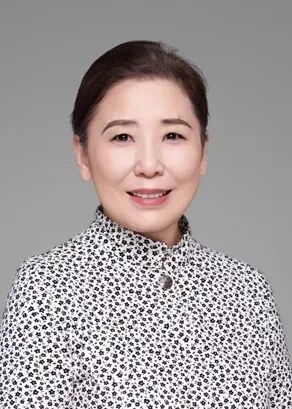
Luoxi Hao
A tenured professor, doctoral supervisor, and PhD in engineering at Tongji University's College of Architecture and Urban Planning, she is CIE Vice President for Education, a member of China Association for Science and Technology's Chinese National Committee for the International Science Council (ISC-CHINA), invited vice president of the China Illuminating Engineering Society, vice president of the Shanghai Illuminating Engineering Society, and standing member of the Polar Medicine Committee. She has extensive teaching, research, and engineering experience in light, vision, color, and lighting design.
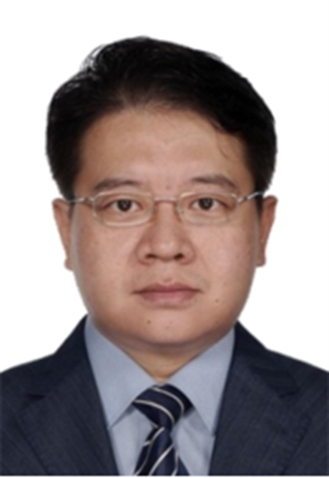
Weixin Yan
A doctoral supervisor and associate researcher at Shanghai Jiao Tong University, chief scientist of the Shanghai Artificial Intelligence Research Institute, and co-founder of Shanghai AgiBot Innovation Technology Co., Ltd. He has led one 973 subproject, two National Natural Science Foundation projects and participated in three more; led one National Key R&D project and participated in another; led over ten aerospace and defense projects; participated in two 863 projects; and completed two provincial or municipal technology evaluations. His honors include Shanghai Science and Technology Progress first and third prizes. He has published over seventy papers and holds more than ninety patents.
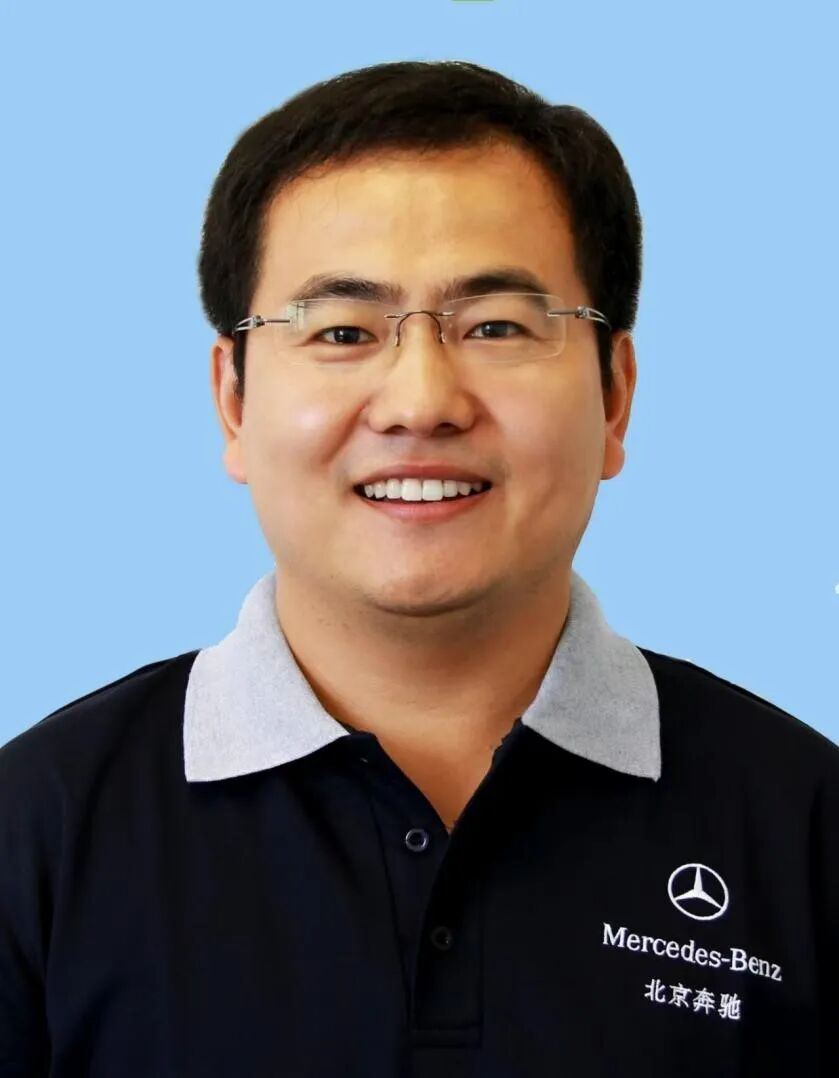
Menghua Song
A master's graduate in vehicle engineering from Chongqing University, he worked in Beijing Benz Automotive's Training Department, building its lean production training platform (MVPS) and technical, management, product, and quality-management training systems.
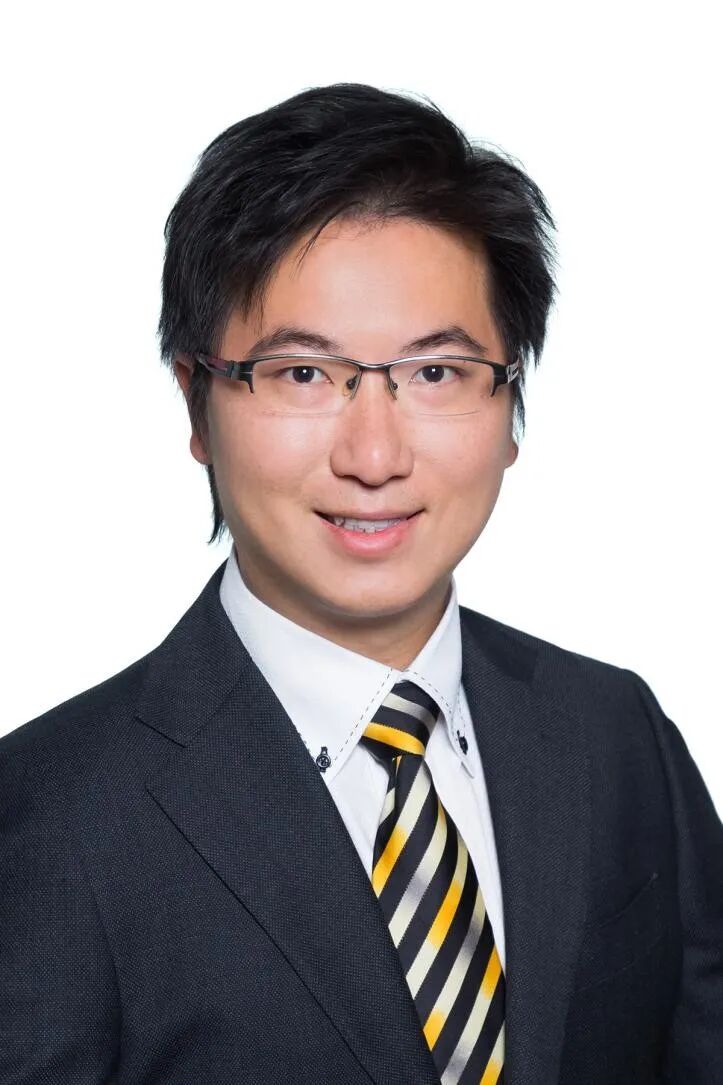
Langxi Lin
Vice chairman of Dongxing Automation and founder of BOGE Group, whose advanced products include AI polishing machines and autonomous navigation robots serving tens of thousands of customers across industries worldwide. L2F Automation, founded in 2012, was acquired by Middleby in 2017 for nearly HK$100 million. BOGE develops and sells service robots, including temi robots, building inspection and patrol robots, panoramic four-sided advertising robots, high-end restaurant robots, and general-purpose navigation chassis for diverse applications.
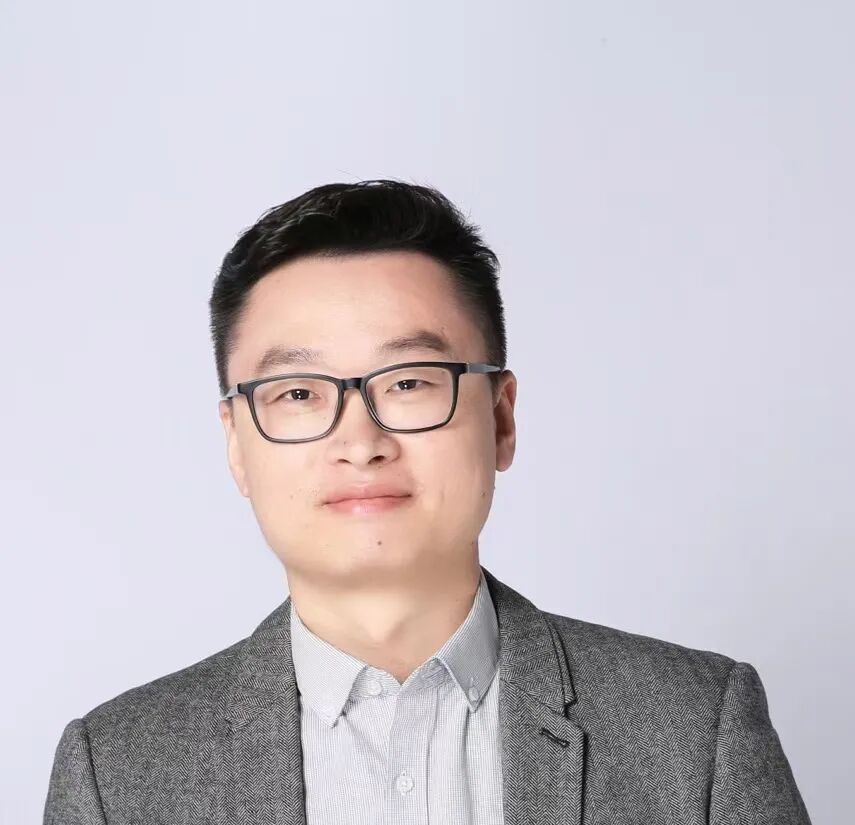
Baoyong Zhang
He has long specialized in cockpits and intelligent connected information systems. Previously, as product marketing vice president at a leading Chinese civil avionics company, he was responsible for in-flight infotainment systems.
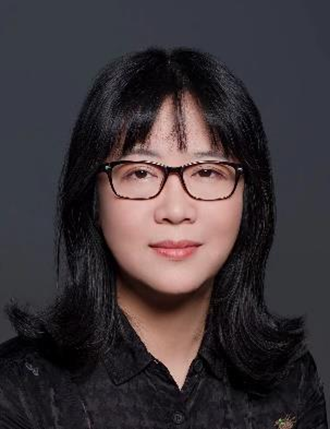
Xiaohua Sun
A chair professor in Southern University of Science and Technology's School of Design and deputy director of its Robotics Institute, Professor Xiaohua Sun has more than twenty years of academic and industry experience in interaction design and intelligent technologies. She has researched and taught at MIT CECI, the MIT Media Lab, FXPAL, IBM Research, Clarkson University, and Tongji University. Professor Xiaohua Sun previously served as associate dean of Tongji University's College of Design and Innovation, head of Tongji University's Digital Innovation Center and the Tongji–MIT City Science Laboratory, leader of AI and big-data innovation in Shanghai's peak design discipline, and chair of the China Industrial Design Association's Information and Interaction Committee.
Professor Xiaohua Sun conducts pioneering research and practice in adaptive learning for service robots, autonomous driving human–vehicle interaction, and intelligent healthcare and well-being. Longstanding collaborations with Huawei, Alibaba, Tencent, SAIC, Intel, Ford, VGC, PSA, SAP, Siemens, and Philips have advanced technology and product innovation. Supported by an MIT presidential scholarship in 2000-2007, Professor Xiaohua Sun completed master's and doctoral degrees in the interdisciplinary Design and Computation program.
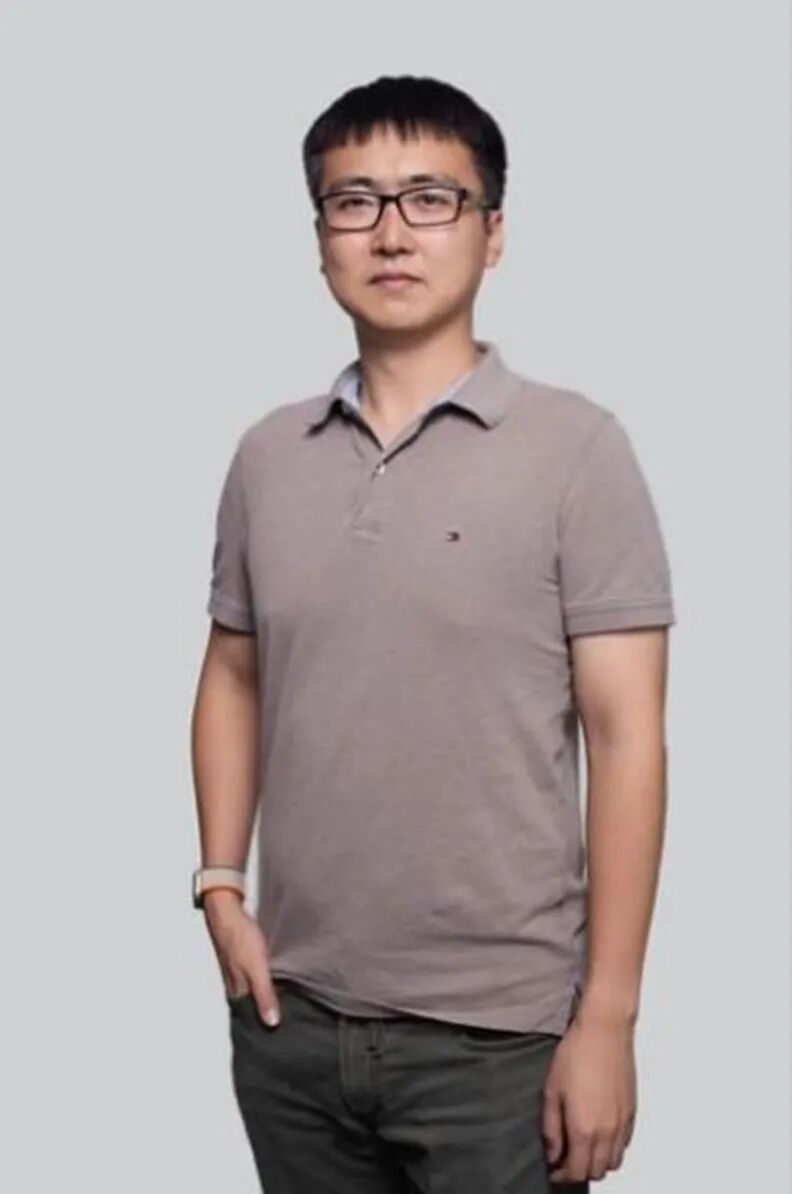
Dengbo He
An assistant professor and doctoral supervisor in Intelligent Transportation and Robotics and Autonomous Systems at The Hong Kong University of Science and Technology (Guangzhou)'s Systems Hub, he graduated from the University of Toronto. His research addresses human factors, driver behavior, autonomous driving, and human–computer interaction for low-altitude aircraft. Honors include the Human Factors and Ergonomics Society's Jerome H. Ely Human Factors Article Award, an annual best student paper nomination (one of three), and the University of Toronto's Mart Liinve Graduate Scholarship. In the past three years, he published nearly thirty international journal papers, over twenty conference papers, and two book chapters. He regularly reviews for more than twenty leading journals and conferences, including IEEE T-ITS, IEEE THMS, Transportation Research Parts D and F, IJHCI, and Human Factors. During that period he led five national, provincial, or municipal projects and seven industry-funded projects and participated in product development at leading Chinese low-altitude aircraft companies.

Lingyun Gao
With a master's from the Chinese University of Hong Kong and an MBA from The Hong Kong University of Science and Technology, he is executive director of The Hong Kong University of Science and Technology's Shenzhen–Hong Kong Collaborative Innovation Research Institute and HKUST Blue Bay Incubator. Since joining HKUST in 2015, he has established its Shenzhen innovation and entrepreneurship system and Blue Bay Incubator, supporting nearly 200 startups, more than thirty involving HKUST professors or technology transfer. He participated in HKUST's expansion in Qianhai and Hetao and focuses on Shenzhen university–industry cooperation, research commercialization, and technological innovation.

Jingyuan Liu
Chief investment adviser at China Galaxy Securities and business director of its Shanghai Institutional Business Center. His wealth management and institutional work at a central state-owned securities firm includes extensive experience in overseas family-office equity incentives, pledges, corporate insurance trusts, industry research, and cross-border asset allocation. He has handled major transactions for listed companies including Taihai Manoir, Blu-ray Development, and Kelun Pharmaceutical.
Map and Transportation
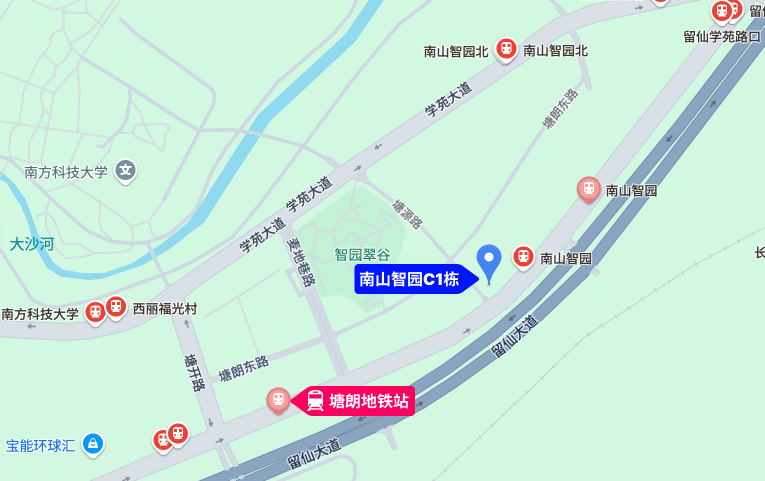
📍Venue: 11th-Floor Auditorium, Building C1, Zhiyuan, Nanshan District, Shenzhen
🕑Date: November 22, 2024
🚇Transportation: Tanglang Metro Station; Nanshan Zhiyuan Bus Stop
Registration Link

https://vrbd364gmi.feishu.cn/share/base/form/shrcnJsMlNuRtbB8ssFCuwcasHc
On-site check-in will follow registration records