
The 11th Chinese CHI Conference Successfully Held in Bali
The 11th International Chinese human–computer interaction Conference
Successfully Held in Bali
The 11th Chinese CHI international human–computer interaction conference was jointly organized by International Chinese Association of Computer Human Interaction and the Academy of Arts and Design, Tsinghua University. An important connection among Chinese human–computer interaction scholars, academia, and industry worldwide, it took place November 13–16, 2023, at Tsinghua University's Southeast Asia Center in Bali, Indonesia. Its theme was Generative, Reflect, and Envision.
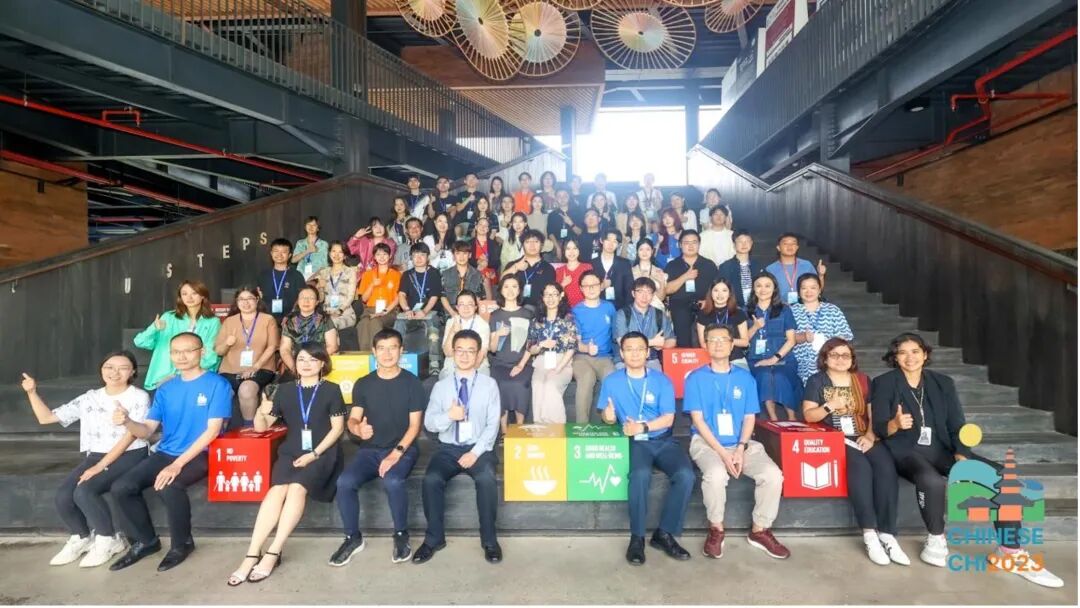
On November 13, the conference held three interaction design workshops: traditional culture, enhancing accessible design tools, and co-designing human–chatbot interaction in healthcare. The traditional culture workshop, organized by Associate Professor Haipeng Mi of Tsinghua University and Associate Professor Yingying She of Xiamen University, explored human–computer interaction opportunities and challenges in innovating traditional Chinese culture under the theme Where New Contexts Meet Ancient Grammar. The accessible design tools workshop, organized by Associate Professor Yun Wang of Beihang University and Dr. Weiwei Zhang of Tsinghua University, examined the importance and realization of accessible design. Qingchuan Li, Xin Chen, and Jiaxin Zhang from Harbin Institute of Technology (Shenzhen), Shenzhen University, and Southern University of Science and Technology organized the healthcare chatbot workshop, discussing how social characteristics and communication modalities affect users' privacy concerns, trust, and technology acceptance, and conducting human–chatbot interaction co-design activities.
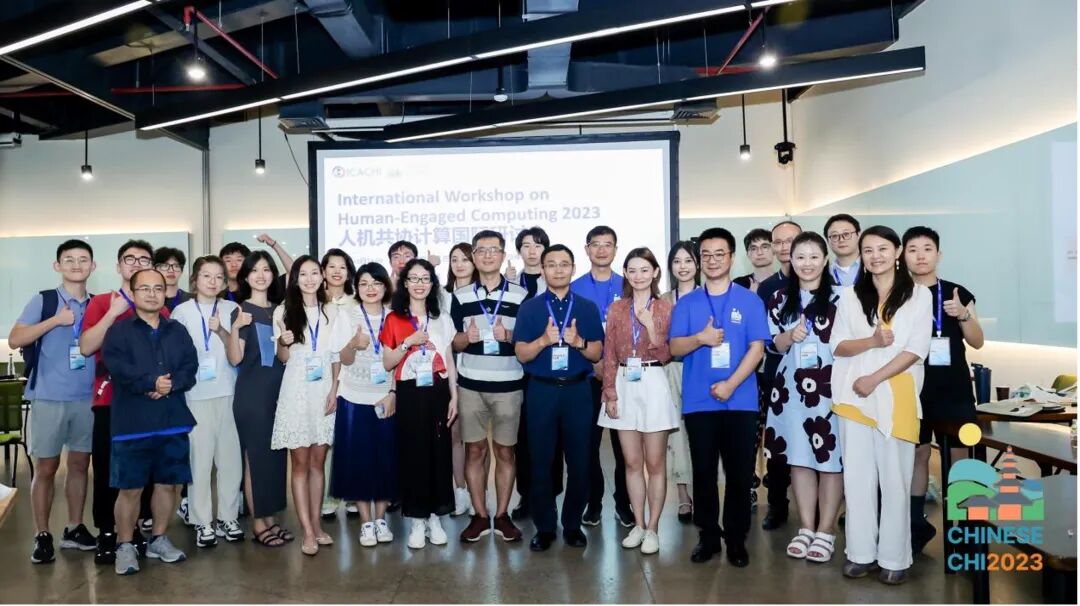
On November 13 afternoon, the conference also held the International Workshop on Human-Engaged Computing (IWHEC), comprising two panels. The first examined interdisciplinary integration in human–computer interaction and models of industry–academia–research collaboration. Panelists included Zhiyong Fu, associate professor at the Academy of Arts and Design, Tsinghua University, and president of International Chinese Association of Computer Human Interaction; Jun Hu, associate professor at Eindhoven University of Technology; Huawei Tu, senior lecturer at La Trobe University; Yun Wang, associate professor at Beihang University; and Fang Liu, PhD student at Xiamen University. Discussion covered innovation connecting human–computer interaction with other disciplines, human–computer interaction priorities across industry and academia, and interdisciplinary training in human–computer interaction. The second panel addressed the philosophical foundations and future of human–computer interaction, featuring Xiangshi Ren, professor at Kochi University of Technology, Japan, and founding president of International Chinese Association of Computer Human Interaction; Shengdong Zhao, associate professor at National University of Singapore; Xiaojuan Ma, associate professor at The Hong Kong University of Science and Technology; Haipeng Mi, associate professor at Tsinghua University; and Pengcheng An, assistant professor at Southern University of Science and Technology. Topics included future human–computer relations, human–computer interaction and social issues, and the philosophical foundations of human–computer interaction.
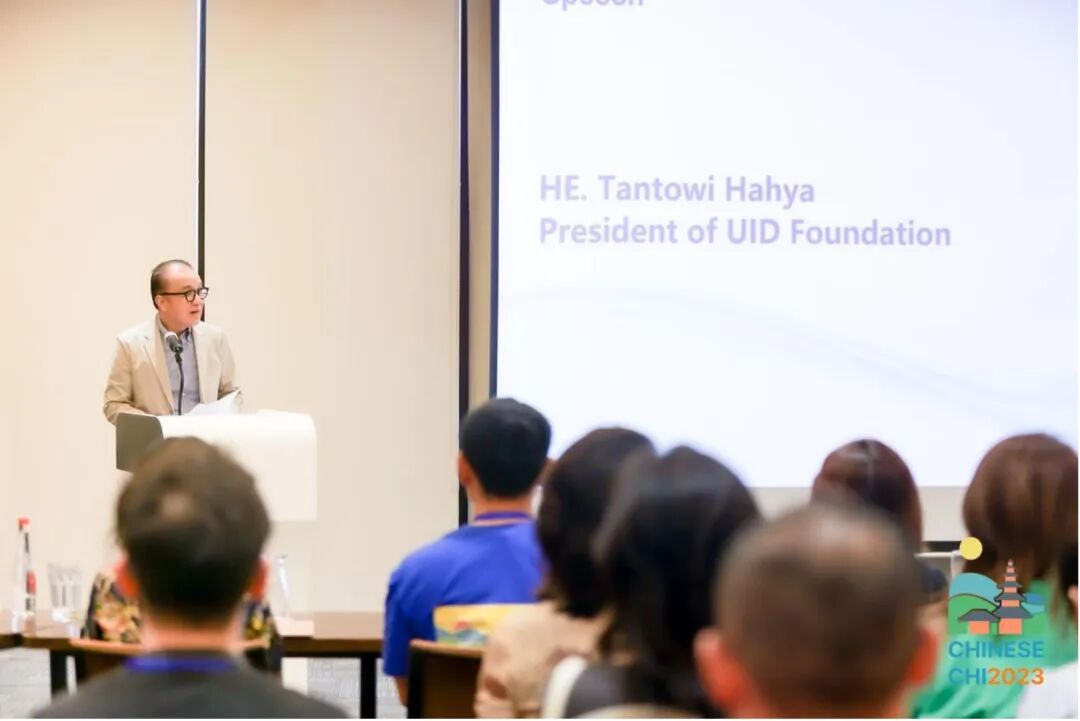
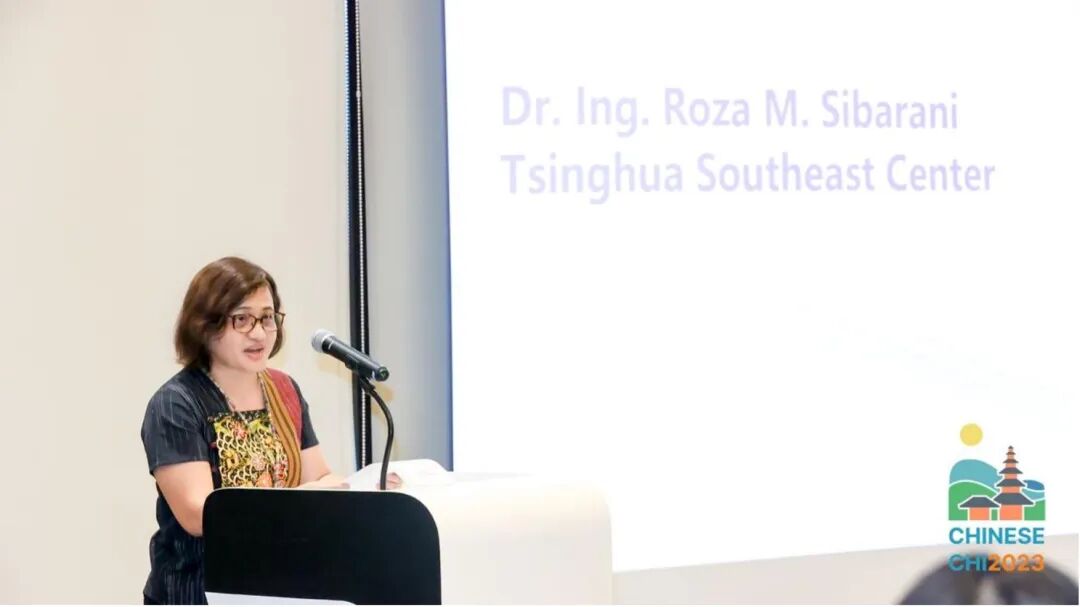
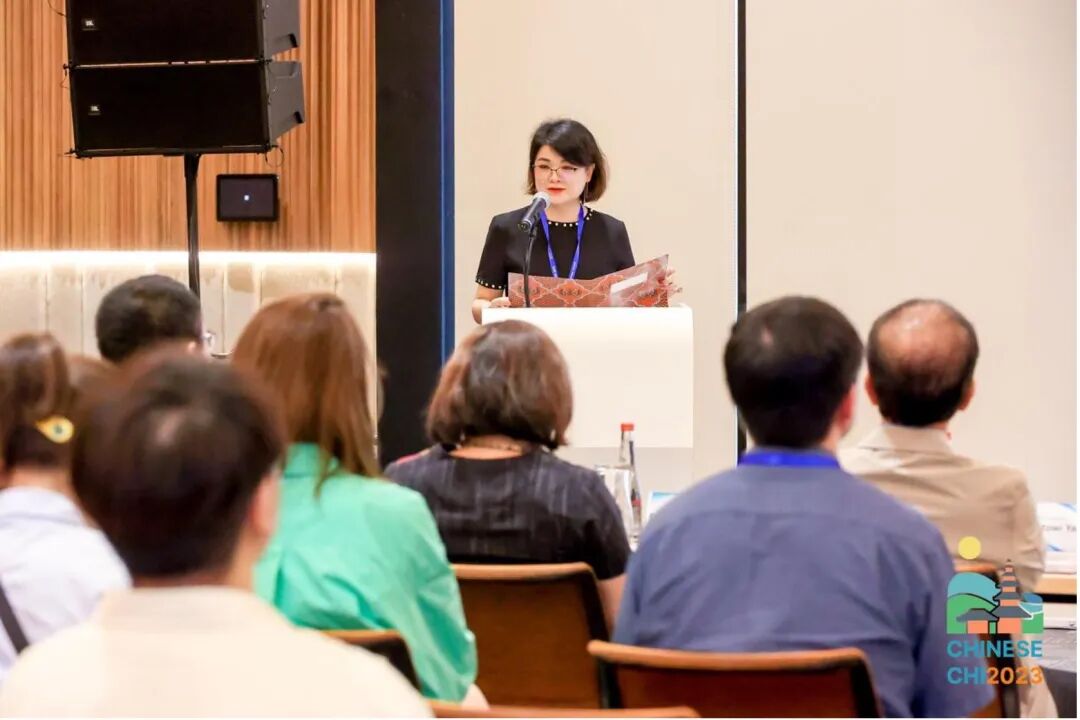
On November 14, the conference began with a grand opening ceremony and keynote session, chaired by program co-chair Haipeng Mi of Tsinghua University. Conference chair Professor Sai Ma, dean of Tsinghua's Academy of Arts and Design, and China Association for Science and Technology's overseas cooperation office sent congratulatory letters. His Excellency Tantowi Hahya, chair of the UID Foundation, introduced the foundation and welcomed participants. Dr. Roza M. Sibarani then introduced Tsinghua's Southeast Asia Center and congratulated the conference. Paper co-chair Xinyi Fu of Tsinghua University subsequently explained the submission, review, and acceptance process.

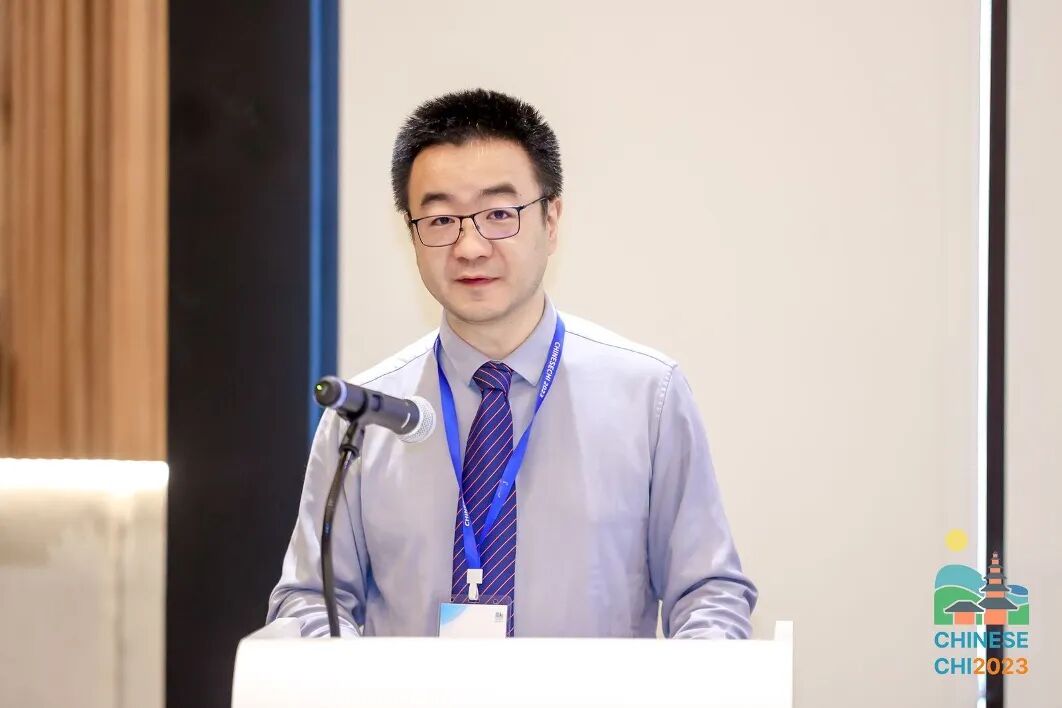
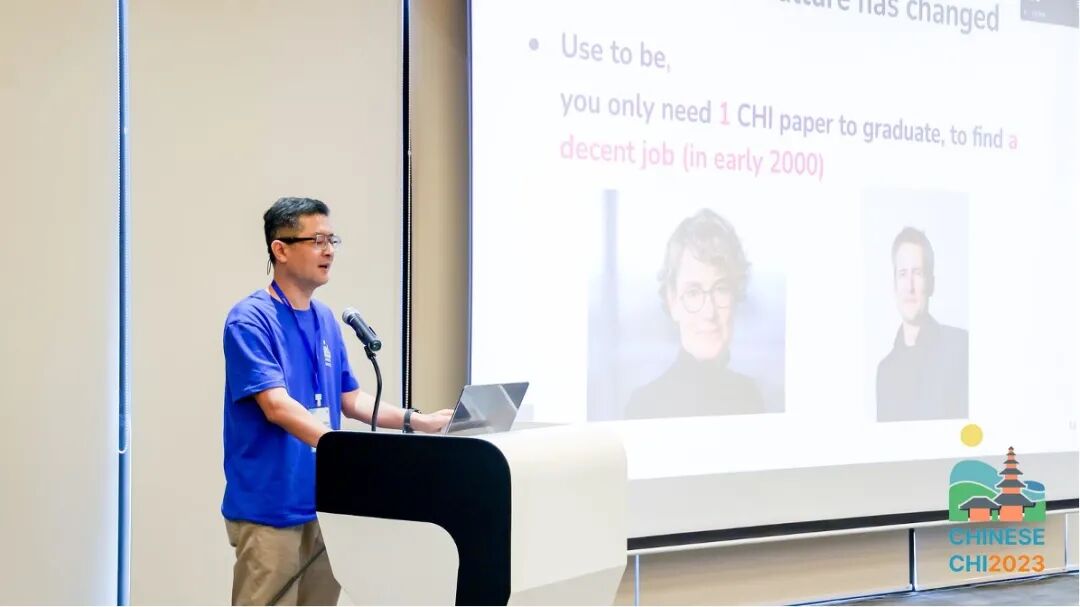
In the following keynote, Professor Shengdong Zhao of National University of Singapore examined the importance of value-driven research in human–computer interaction, inviting Chinese researchers to reflect on the direction and depth of human–computer interaction research and on bridges between cultural and academic perspectives. Sharing personal reflections, the speaker encouraged open discussion about cultivating research with profound innovation, social relevance, and scientific rigor.
The conference then moved to thematic paper presentations, with three sessions that day. The first, on Chinese human–computer interaction: Community and Culture, covered extracting cultural elements from traditional Chinese festivals for visualization design, designing digital Chinese painting systems, and designing robotic theater for China's intangible cultural heritage. The second, on Interaction Technologies, presented a fuzzy causal reasoning model for human–vehicle collaborative decision-making and an EEG-based interactive visual meditation system. The third, on Accessibility and Aging, included analyses of older adults' preferences for virtual assistant design features and prototypes of social exercise games for older adults.
In the evening, the art gallery opened, with selected authors introducing their exhibited works both online and in person. Participants then gathered at the distinctive local Three Mountains Bamboo House for a wonderful conference banquet, providing further opportunities for conversation and interaction.
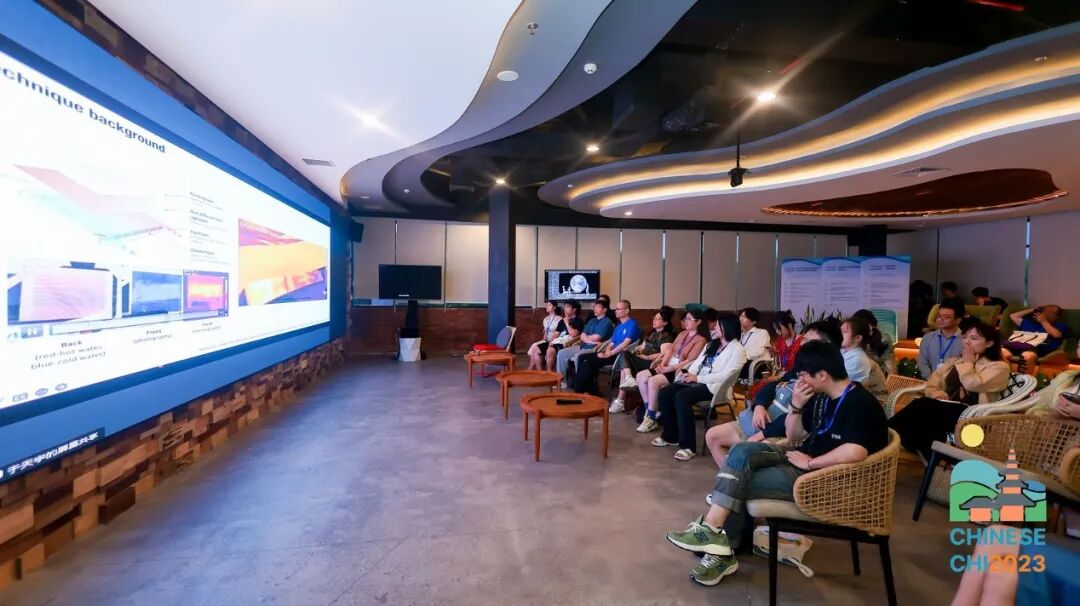

Paper presentations continued on November 15 with three further thematic sessions. Generative AI and Intelligent Agents addressed applications, user feedback, and design challenges. Design: Theories, Concepts, and Methods included personal infrastructuring in reconstructing international travel networks and meaning-driven speculative artifacts based on a meme-generating design framework. The Virtual and Augmented Reality session explored subjects including anonymity and trust in the metaverse.
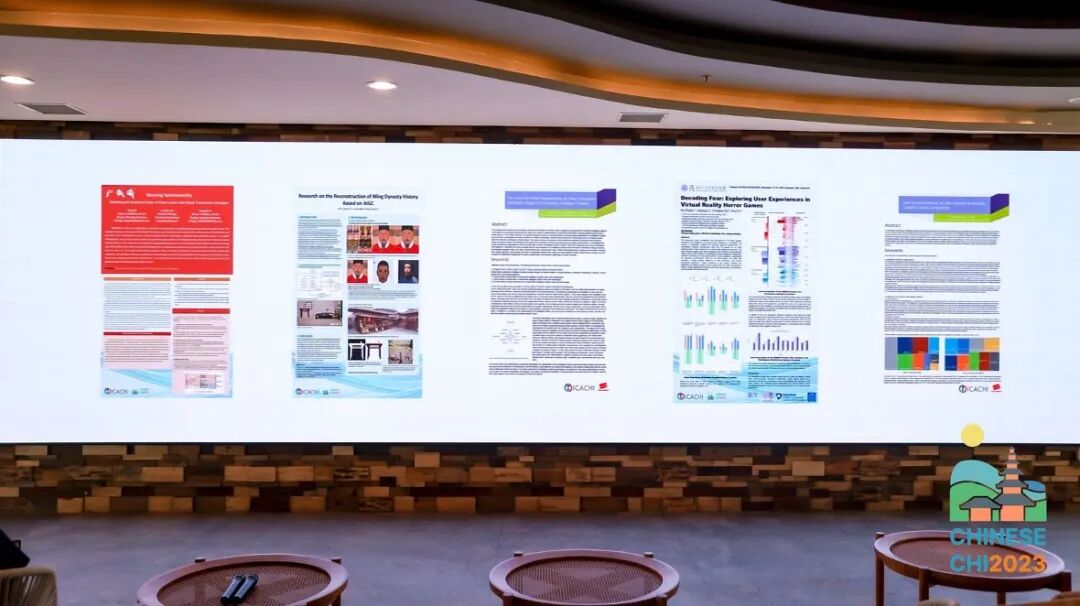
The conference also featured a poster session for short papers, with authors sharing and discussing their work both in person and online.
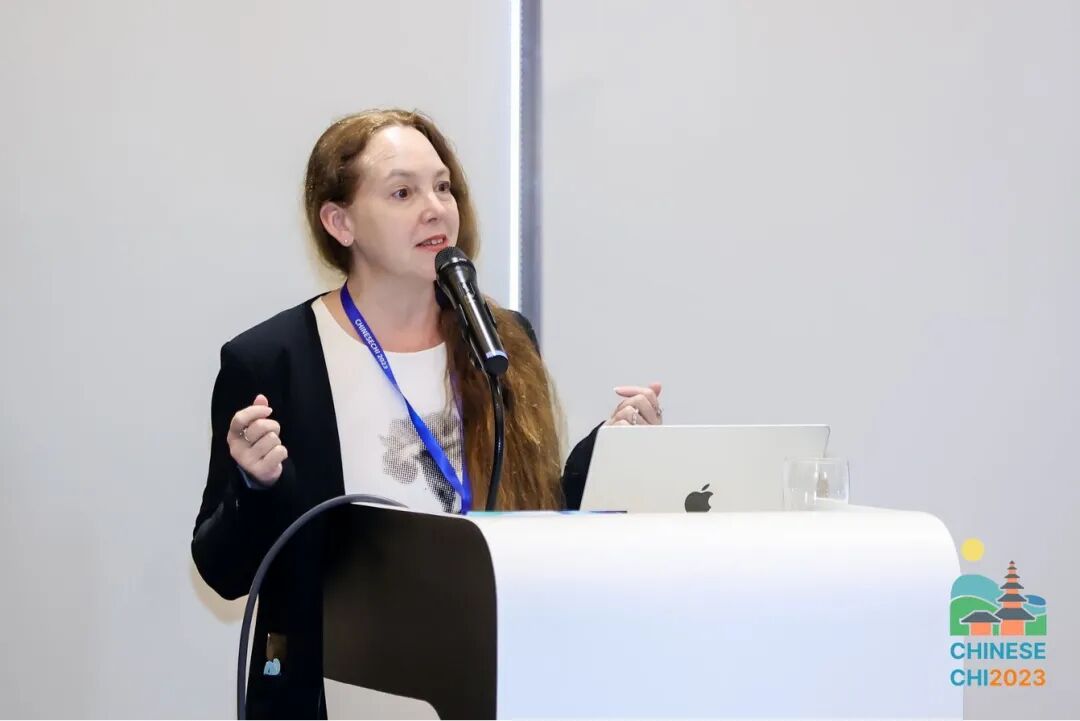
On the afternoon of November 15, Professor Regina Bernhaupt of Eindhoven University of Technology delivered another engaging keynote on digital twins and their applications in human–computer interaction research. Digital twins combine digital representations of the physical world with real-time connections, enabling future services to be monitored and optimized and future events to be predicted. She encouraged human–computer interaction researchers to explore digital twins in their human–computer interaction work. A brief closing ceremony revisited the conference highlights and invited everyone to Chinese CHI 2024, the next International Chinese human–computer interaction Conference.
Throughout the three-day conference, participants engaged in lively exchanges and discussions in a relaxed atmosphere. On Kurakura Island, a well-known local sea turtle nature reserve, with the South Pacific sea breeze around them, faculty and students explored shared concerns in depth: challenges posed by large models, intersections between technology, culture, and society, and students' career development. These inspiring conversations prompted further interesting reflections. We look forward to meeting again at next year's Chinese CHI!
Written by: Zijun Mai, Boyu Gao, Huawei Tu
Reviewed by: Zhiyong Fu, Haipeng Mi, Xinyi Fu
Layout: Yuxin Xu