
Chinese CHI 2020 in Review

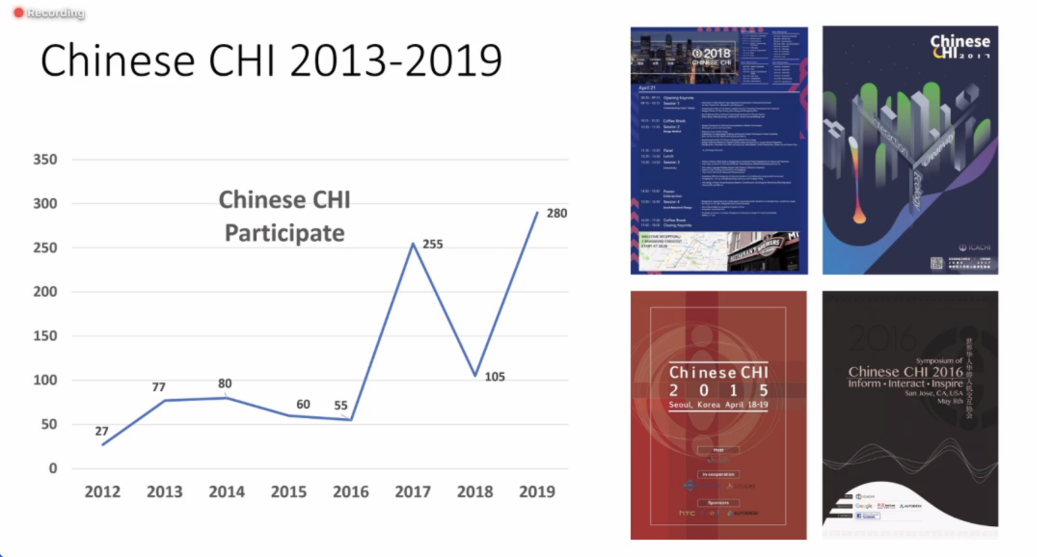
The eighth International Chinese human–computer interaction Conference, Chinese CHI, was held online on May 30, 2020, simulcast by Tencent Wiz. Organized by International Chinese Association of Computer Human Interaction (ICACHI), the conference has become an important connection among Chinese HCI scholars, academia, and industry worldwide. Since 2012, seven successful editions have taken place in Paris, Toronto, Seoul, Silicon Valley, Guangzhou, Montreal, and Xiamen.
The conference opened with remarks from Chinese CHI chair Junfeng Yao of Xiamen University. Against China's emphasis on cultural confidence, cultural strength, and research grounded in its own society, human–computer interaction offers an interdisciplinary platform where talent and ingenuity can flourish.
The seventh Chinese CHI in Xiamen reached an unprecedented scale through participation across professions and fields. Although special circumstances required the eighth Chinese CHI to move online, participants' enthusiasm remained palpable even without seeing their faces. At the opening, Junfeng Yao wished Chinese CHI 2020 every success and sincerely thanked organizers, participants, and volunteers for their contributions.

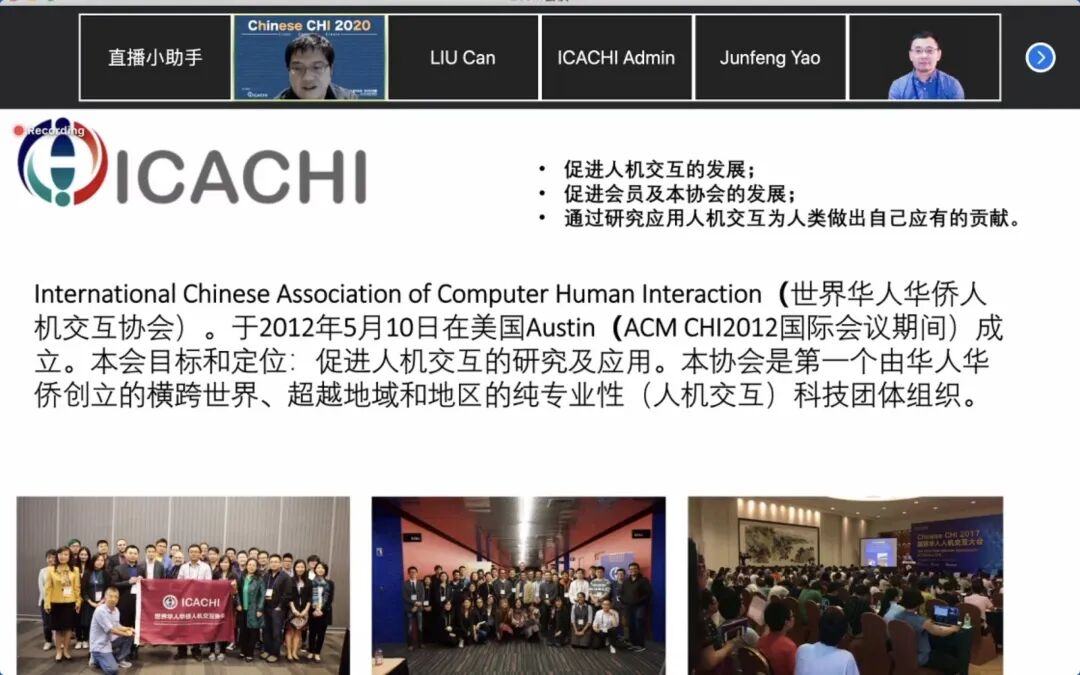
Wei Li, president of International Chinese Association of Computer Human Interaction, then addressed the conference, briefly introducing International Chinese Association of Computer Human Interaction and wishing Chinese CHI 2020 success. International Chinese Association of Computer Human Interaction promotes solidarity and cooperation in the international scientific community through an open platform connecting scientists in China and overseas. Known as ICACHI, it was formally founded in Austin, Texas, in May 2012 and held its first successful Chinese CHI forum in France the following year. In 2014, the association registered in Toronto as a nonprofit professional organization and held its second conference there. Its proceedings were included in the ACM Digital Library, with papers discoverable through major research indexes.
2020 was destined to be an extraordinary year. The association introduced Human-Engaged Computing and Technology for Good, calling for joint use of science and technology to combat the pandemic and protect humanity's shared home. It launched an online forum series under this theme, with Chinese CHI 2020 joining as part of the technology-enabled pandemic response.
As society and the global economy slowly restart after the pandemic's pause, the Human-Engaged Computing and Technology for Good forums seek to confront humanity's future challenges and reconsider technology's social role. The association hopes to envision more forward-looking and inclusive human–computer interaction models, develop applications and solutions to unknown problems, inspire reflection on progress, and strengthen crisis response.

Keynote
Chinese CHI invited Guozhong Dai and Ligang Liu as keynote speakers.

Guozhong Dai
Researcher and doctoral supervisor at Institute of Software, Chinese Academy of Sciences; chief scientist of the human–computer interaction Technology and Intelligent Information Processing Laboratory.
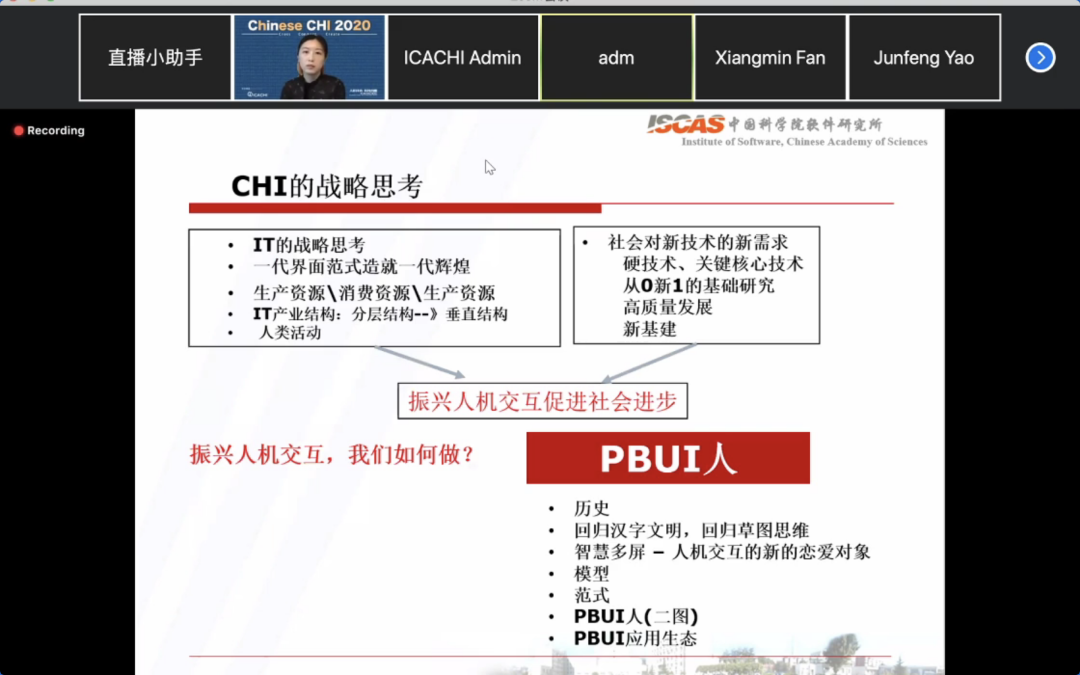
Guozhong Dai presented Fifty Years of Reflection: What Exactly Is human–computer interaction? Drawing on five decades of research, Guozhong Dai discussed human–computer interaction (Computer-Human Interaction) through epistemological and methodological perspectives and examined current shortcomings and challenges in human–computer interaction. Guozhong Dai also introduced strategic thinking about IT and the PBUI concept: screens encountered upon opening one's eyes, with multiple screens per person.

Ligang Liu
Professor, University of Science and Technology of China
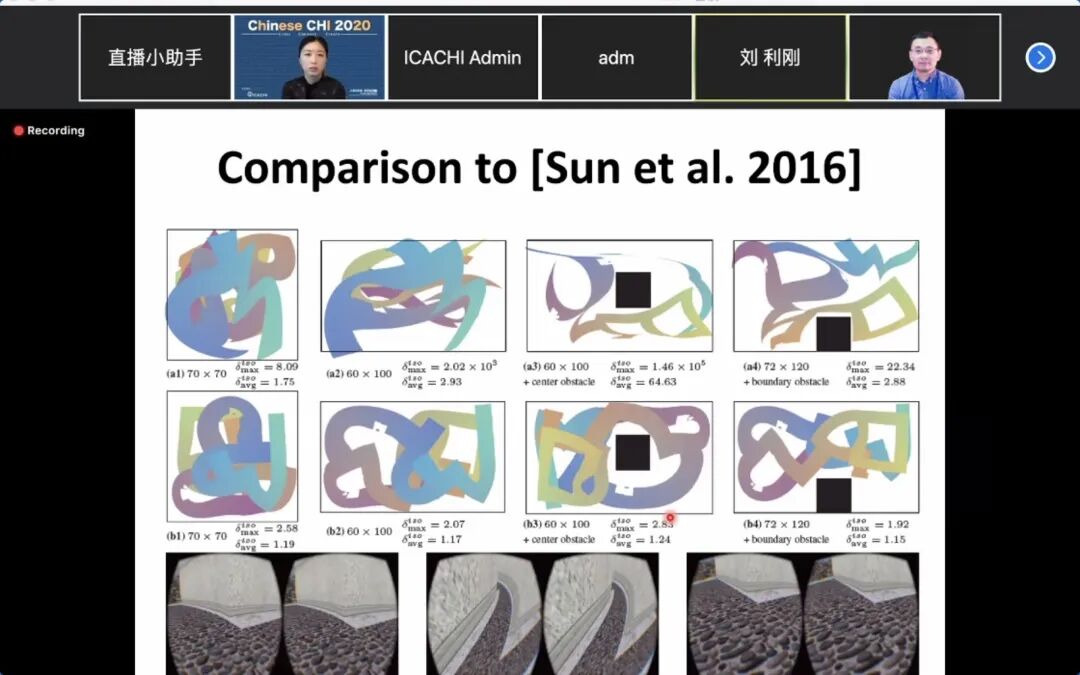
Ligang Liu presented Walking Through Large Virtual Environments. Ligang Liu first introduced virtual reality: narrowly understood as stereoscopic visual presentation, it uses equipment to engage or deceive senses including vision, hearing, smell, touch, and taste, creating entirely virtual worlds for experience and interaction. Ligang Liu then examined walking and navigation challenges in VR—limited physical space, complex multiuser interaction, and difficult gait detection—alongside current technical solutions, and discussed practical applications extending from virtual to augmented reality.
Papper and Poster
The titles and authors of the conference papers and posters are listed below. All papers and posters presented at this conference are included in the ACM Digital Library and can be consulted there.
Paper:
- Rui Zhou, Shengxi Wu, Susan Faulkner and Betsy DiSalvo. Marketplace for Choice and Independence: Young Chinese’s Social Commerce Practices on WeChat
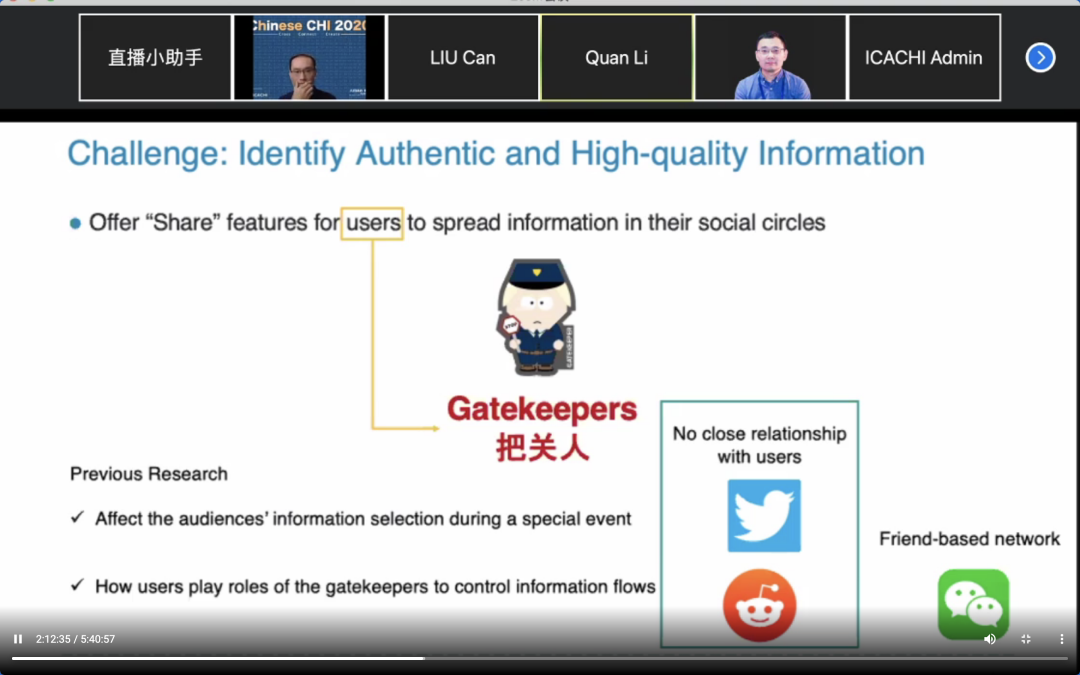
- Quan Li, Zhenhui Peng, Haipeng Zeng, Qiaoan Chen, Lingling Yi, Ziming Wu, Xiaojuan Ma and Tianjian Chen. Friend Network as Gatekeeper: A Study of WeChat Users' Consumption of Friend-Curated Contents
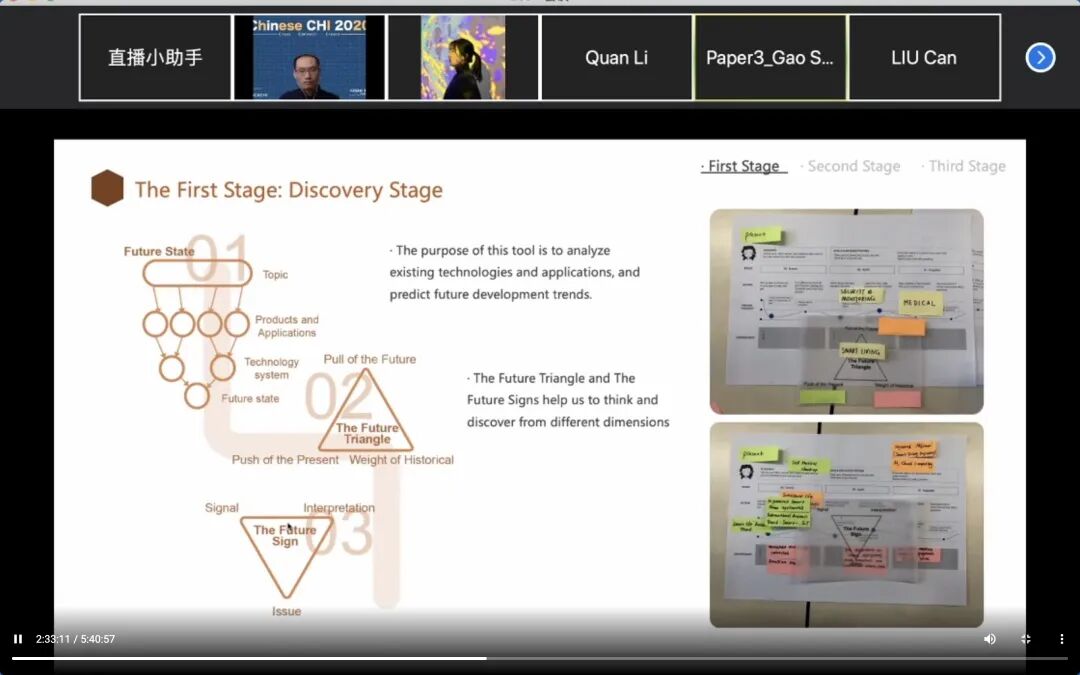
- Song Jeongeun, Gao Songling and Fu Zhiyong. Design Smart Living Scenario Through Future Sensitive Attached-it Tools
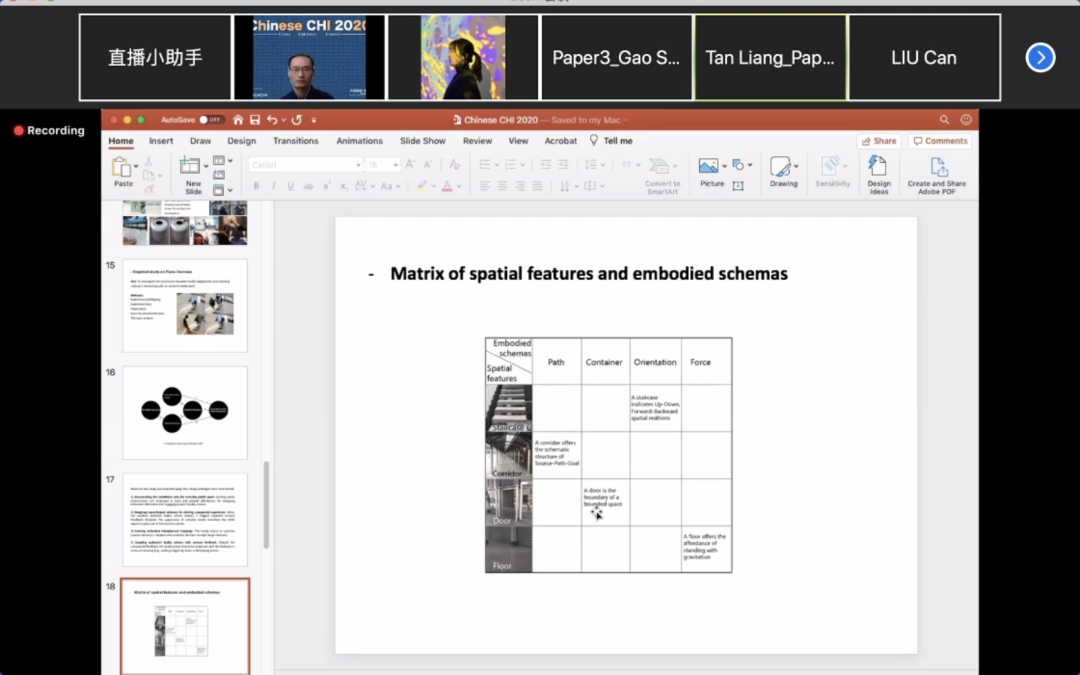
- Liang Tan. Embodied Meaning Making: An Approach to Analyzing and Designing Ambient Media
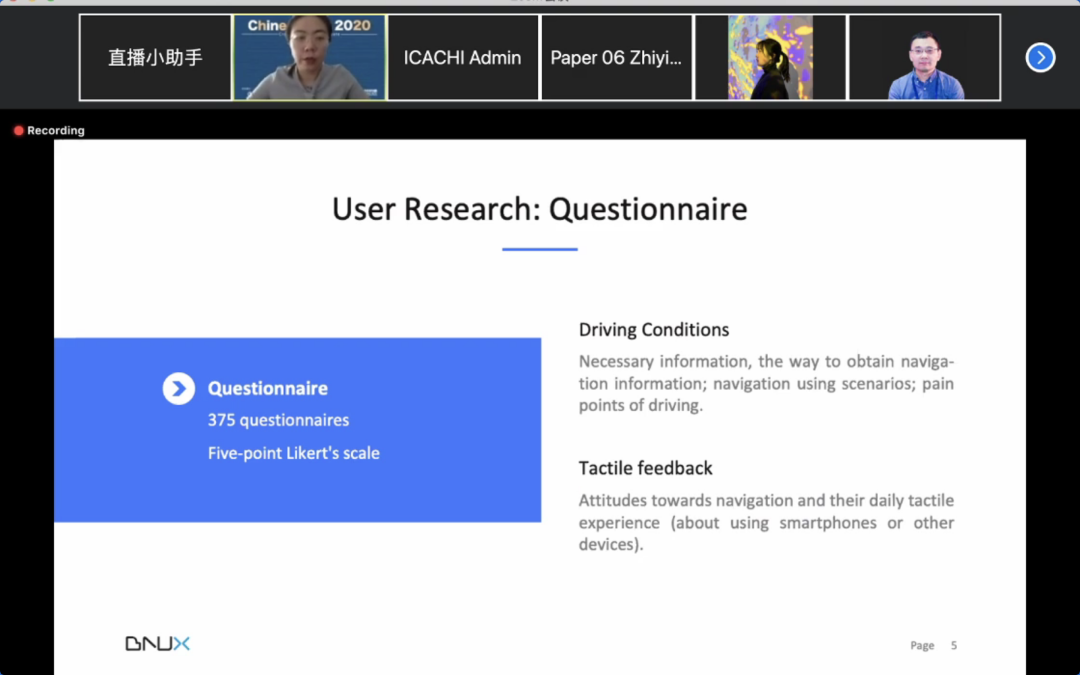
- Yancong Zhu, Di Zhu and Wei Liu. Design Research on Vibration Tactile Feedback in Vehicle Navigation Information Application
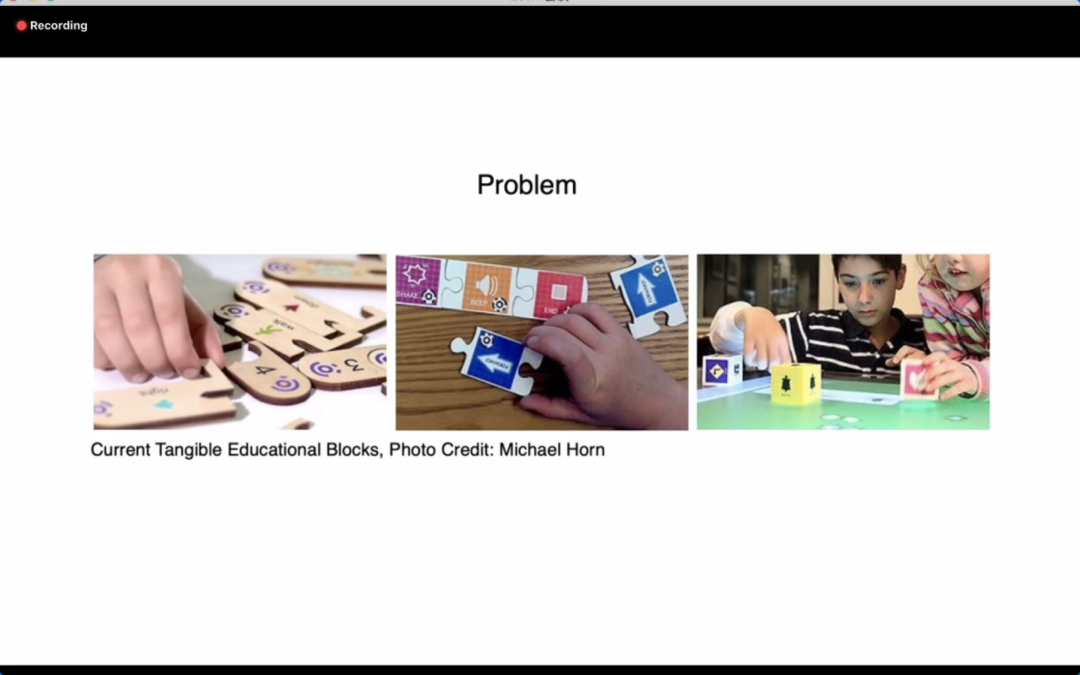
- Zhiyi Rong, Ngofung Chan, Taizhou Chen and Kening Zhu. CodeRhythm: A Tangible Programming Toolkit for Visually Impaired Students
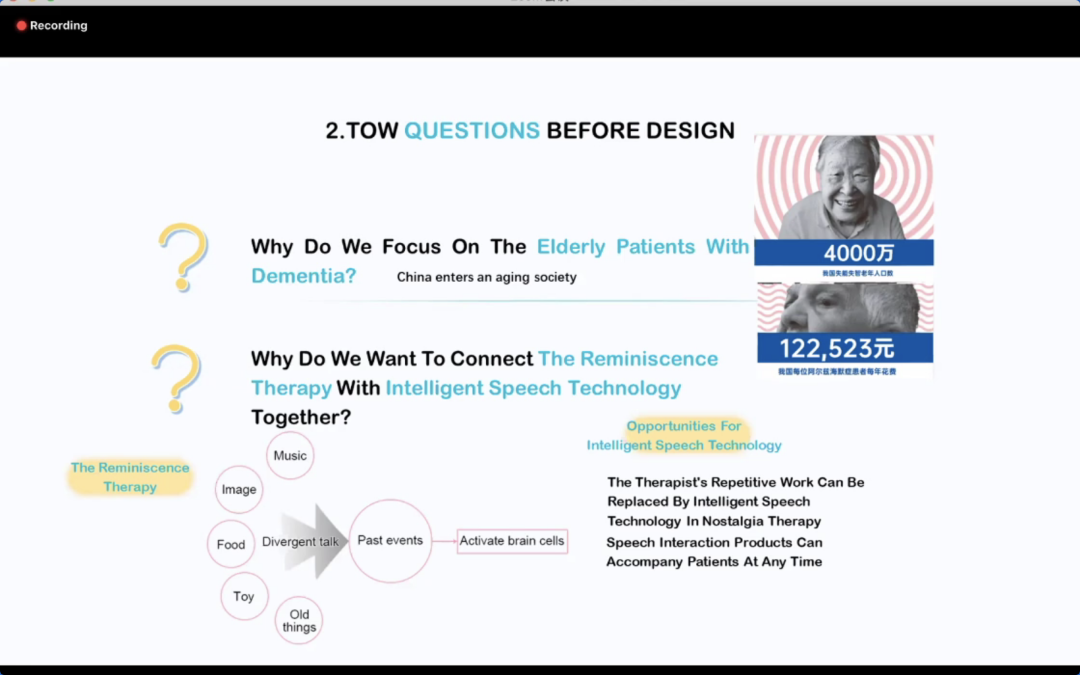
- Chawchen Ting, Zhi Li and Yixin Zhang. Research on Product Design of Speech Interaction in the Therapy of Dementia

Poster:
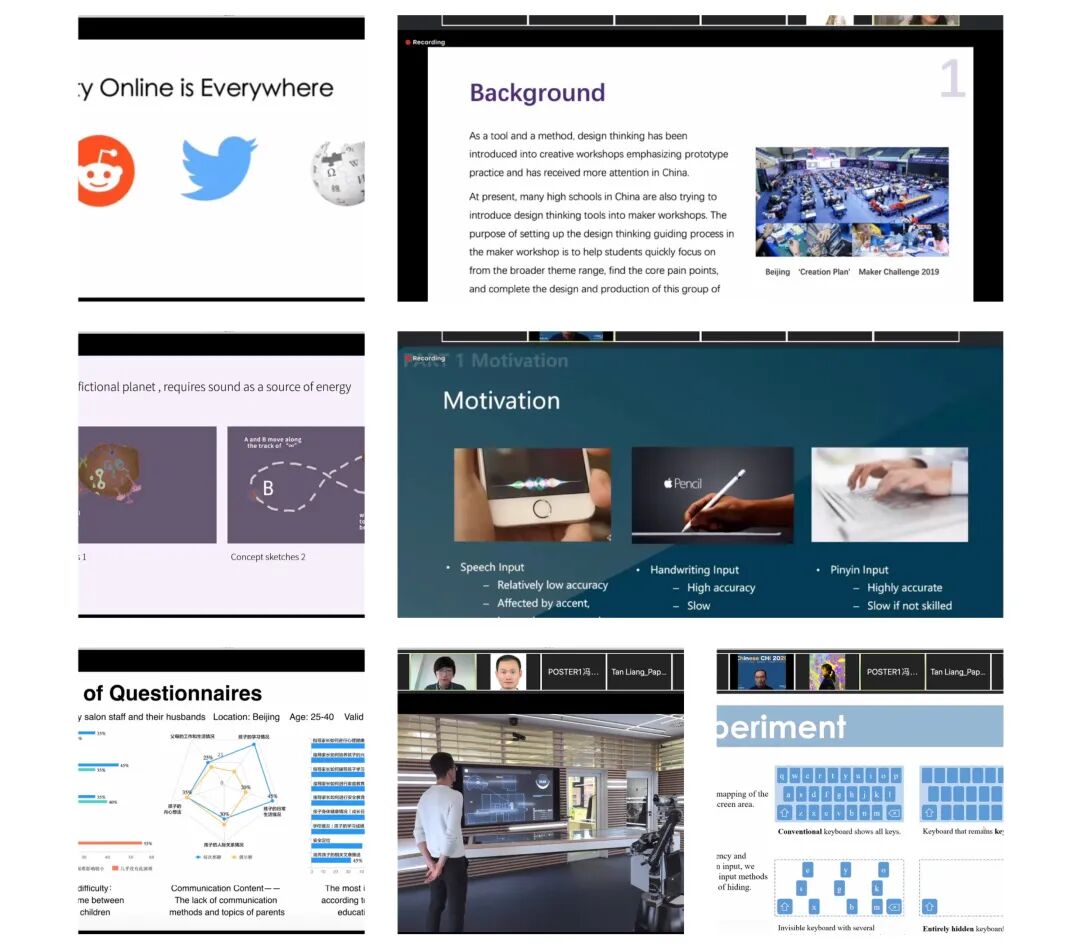
- NaviKey: An Invisible Keyboard with Navigation Keys
- Designing Interaction for Multi-agent System in an Office Environment
- An Experience Study for Exploring Online Emotional Support in Parents of Children with Autism in China
- Stroke-Speech: A Multi-channel Input Method for Chinese Characters
- An Online Parent–Child Communication Solution for Chinese Left-Behind Families Based on Habit Formation
- The Seed: Exploring the relationship of ecological mutual restriction by AR interaction
- Thinking Vs Doing: Uncertainty of Design Thinking Tools in Facilitating Maker Workshops
- RECAST: Interactive Auditing of Automatic Toxicity Detection Models
Livestream Replay Links
Chinese CHI 2020 Replay

Scan the QR code to watch Chinese CHI 2020.
Committee
Program Chairs
Xiangmin Fan Institute of Software, Chinese Academy of Sciences
Junfeng Yao Xiamen University
Paper Chairs
Junfeng Yao Xiamen University
Huawei Tu La Trobe University
Teng Han Institute of Software, Chinese Academy of Sciences
Poster Co-Chairs
Yingying She Xiamen University
Mingming Fan Rochester Institute of Technology
Publication Chair
Can Liu City University of Hong Kong
Secretary in General
Shihui Guo Xiamen University
Committee Members
Boyu Gao Jinan University
Cheng Zhang Cornell University
Chi Zhang Swansea University
Chuang-Wen You NTU Intel Center
Chun-Cheng Hsu National Chiao Tung University
Da-Yuan Huang National Chiao Tung University
Gary Hsieh University of Washington
Haijun Xia Toronto University
Hai-ning Liang Xi'an Jiaotong-Liverpool University
Haojian Jin CMU
Hongbo Fu City University of HK
Hsien-Hui Tang National Taiwan University of Science and Technology
Hsin-Ruey Tsai Natoinal Taiwan University
Huaishu Peng UMD college park
Jeffrey Ho Hong Kong Polytechnic University
Jin Huang Institute of Software, Chinese Academy of Sciences
Jun Gong Dartmouth College
Kening Zhu City University of Hong Kong
Morten Fjeld Chalmers University of Technology
Patrick Shih Indiana University Bloomington
Preben Hansen Stockholm University
Shaowei Chu Communication University of Zhejiang
Tao Bi UCL Interaction Centre
Te-Yen Wu Dartmouth College
Tim Chen University of Technology Sydney
Wei liu Beijing Normal University
Xin Yi Tsinghua University
Yong Ming Kow City University of Hong Kong
Zhigang Chen Shanghai Academy of Fine Arts
Xi Lu UC Irvine
Xinyi Wang University of Minnesota - Twin Cities
Libo Zhang Institute of Software Chinese Academy of Sciences, Chinese Academy of Sciences
Yang Gu Institute of Computing Technology, Chinese Academy of Sciences
Agathe Balayn Delft University of Technology